Where to buy the best fresh coffee beans in the UK Where to buy the best fresh coffee beans in the UK How tos
How tos

Where to buy the best fresh coffee beans in the UK

Will

Written by Will / Views

Published - 18 May 2026

Key takeaways

  • Freshly roasted coffee beans are at their best over the 28 days after roasting – after that, oxidation gradually flattens the flavour.
  • A roast date on the bag is the most reliable indicator of freshness. A best-before date tells you very little – legally, it can be up to two years after the coffee was roasted.
  • For the freshest possible cup, order directly from pactcoffee.com — beans are roasted the day before dispatch.
  • Pact coffee is available in over 300 Waitrose stores nationwide. Every retail bag is nitrogen-flushed before sealing to preserve freshness on the shelf.
  • Store your beans somewhere cool, dark, and dry. Never in the fridge.

If you’ve ever opened a new bag of coffee, taken a deep breath, and been met with something flat and faintly musty, a dull approximation of what coffee is supposed to smell like, you’ve already experienced what stale beans taste like before you’ve brewed a single cup.

In coffee, time is the thing most likely to work against you. And the frustrating truth is that most of what’s sold as fresh coffee in the UK isn’t especially fresh at all. 

A best-before date stamped on a supermarket bag can legally be set up to two years after the beans were roasted. Those beans may have spent months in a warehouse before they even reached the shelf. By the time they reach your kitchen, the window where they taste genuinely great has long since closed.

This guide explains what freshness actually means in coffee, where to find it in the UK, and how to protect it once you’ve got it.

What does ‘fresh’ actually mean when it comes to coffee beans?

Freshness in coffee is a specific, measurable timeline rooted in chemistry.

When green (unroasted) coffee beans are roasted, the heat transforms their cellular structure, unlocking thousands of aromatic compounds and producing CO2 inside the bean. The moment the roast is finished, a clock starts.

The peak window

Fresh coffee beans are at their best within 28 days after roasting. During this window, the aromatic oils are stable and expressive – ready to deliver the complex, vivid cup the grower’s expert work has made possible. 

The flavours and the brightness are there – the character that distinguishes a well-sourced speciality bean from a generic supermarket blend is unmistakable.

What oxidation does

Once coffee is exposed to oxygen, the delicate oils that carry its flavour begin to break down. The zesty citrus, the dark chocolate, the stone fruit or caramel, whatever makes a particular coffee interesting, gradually fades. 

The cup becomes flat, then woody, then largely indistinguishable from any other coffee. This process is called oxidation, and it’s the reason that a clear roast date on the bag matters so much more than any other freshness claim.

A note on shiny beans

There’s a common assumption that dark, oily, visibly shiny beans are a sign of freshness or quality. In practice, the opposite is closer to the truth. 

Surface oil usually means one of two things: the coffee has been roasted so dark that the structure of the bean has broken down, pushing its oils to the surface, or the beans have been sitting around long enough that those oils have migrated outward over time. 

Genuinely fresh, well-roasted speciality beans have a clean, matte appearance. The oils are inside the bean, where they belong.

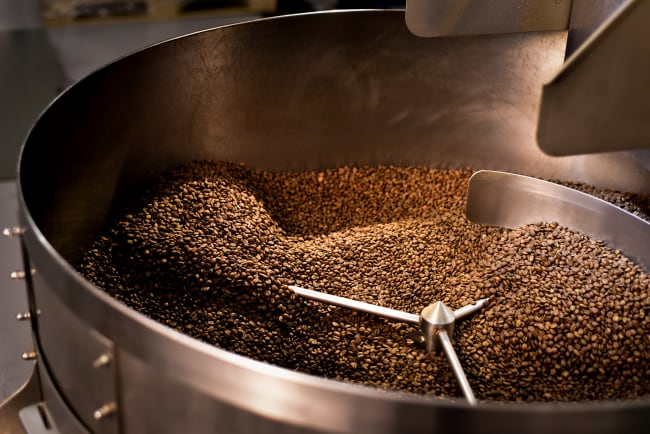
Freshly roasted coffee beans in the Pact roastery

Where to buy fresh roasted coffee beans in the UK

There are two reliable routes to genuinely fresh coffee beans in the UK — both of which maintain Pact’s standards, just through different supply chains.

Direct from pactcoffee.com

For the freshest possible cup, ordering directly from the roastery is hard to beat. At Pact’s roastery in Haslemere in the Surrey Hills, coffee is roasted in small, carefully monitored batches – not warehoused in industrial quantities. 

Beans are roasted the day before dispatch, which means they arrive at your door right at the beginning of the peak flavour window, still actively degassing and full of the aromatic complexity that careful sourcing and precise roasting have produced.

Every Pact bag features a one-way degassing valve – a small but important detail. In the days immediately after roasting, beans naturally release CO2. 

That gas needs somewhere to go, and without a valve, pressure would build inside a sealed bag. The valve lets the CO2 out while preventing oxygen from getting in, allowing the beans to breathe without allowing them to age.

In Waitrose

For those moments when you need coffee today, rather than tomorrow, Pact is available in over 300 Waitrose stores nationwide and on the Waitrose online store.

Maintaining freshness on a supermarket shelf requires a different approach to freshness in a direct delivery. Every bag in the Pact Waitrose range is nitrogen-flushed before sealing – a process in which food-grade nitrogen displaces the oxygen inside the bag before it’s sealed. 

Nitrogen is inert and harmless, and its presence effectively pauses oxidation, preserving the character of the beans until the moment you open the bag at home. It’s not quite the same as drinking coffee roasted yesterday, but it’s a meaningful step above a standard sealed bag sitting in a warehouse for months.

How to keep fresh coffee beans at their best

Buying fresh beans is only half the task. How you store them determines how long they stay that way.

Keep them in a cool, dark cupboard

A dry kitchen cupboard away from the hob, kettle, and any source of direct sunlight is all most people need. Heat accelerates the breakdown of the oils in the bean. Sunlight does the same. Consistent, room-temperature darkness is the right environment.

Seal the bag after every use

The resealable Pact bag is designed to do a proper job. Squeeze the excess air out before sealing the zip-lock each time – it takes a few seconds and makes a real difference over the life of the bag.

Never store them in the fridge

Coffee beans are hygroscopic – they absorb moisture and odours from their surroundings. 

Moving a cold bag from the fridge to the kitchen creates condensation inside the bag, which damages the oils that carry the flavour. 

The fridge also means your beans will gradually start to smell of whatever else is in there.

Consider an airtight canister

For anyone who wants to take storage seriously, the Pact Airtight Canister removes and seals out air rather than simply trapping it. 

Used consistently, it extends the peak flavour window by up to 50% – particularly useful for a 500g or 1kg bag that you’ll be working through over several weeks.

The Pact Airtight Canister

How to read a coffee bag for freshness

Not all date information on a coffee bag is equally useful. Here’s what to look for.

A roast date is the most valuable piece of information on any bag of coffee. It tells you exactly when the beans were roasted and allows you to calculate where you are in the freshness window. 

If a bag has a roast date and you’re buying it within four weeks of that date, you’re in good shape.

A best-before date, on its own, tells you very little. As a legal shelf-life estimate, it can be set years in the future – and gives no indication of when the coffee was actually roasted. 

Many bags in supermarket aisles carry only a best-before date. That’s a reason to look more carefully at what you’re buying.

A one-way degassing valve on the bag is a good signal. It suggests the coffhttps://www.pactcoffee.com/ee was packed while still actively releasing CO2 – which means it was sealed shortly after roasting, rather than after a period of sitting in a warehouse.

Finding fresh coffee beans near you

If you’re looking for fresh roasted coffee beans and want them today, Pact is available in over 300 Waitrose stores. You’ll find Bourbon Cream, House Coffee, and Bourbon Cream Decaf bags in the coffee aisle. They’re also available in Ocado and Whole Foods, too.

If you’d prefer your coffee roasted to order and delivered to your door – pactcoffee.com is where to start. 

A subscription means your coffee arrives on a schedule that matches how you drink, freshly roasted each time, without you having to think about reordering.

Start yours and get 25% off your first two orders here.

FAQs

How can I tell if coffee beans are fresh? 

Look for a roast date printed on the bag – not just a best-before date. A roast date tells you exactly when the beans were made and allows you to judge where you are in the freshness window. 

A one-way degassing valve on the packaging is also a good indicator that the beans were sealed shortly after roasting. Freshly roasted beans have a vivid, complex aroma when you open the bag. If the smell is flat and dull, the beans are past their best.

Is supermarket coffee fresh?

Most standard supermarket coffee has spent months in long, convoluted supply chains before reaching the shelf, and carries only a best-before date, rather than a roast date. 

But Pact’s range in Waitrose is nitrogen-flushed before sealing – a process that displaces oxygen inside the bag and preserves the beans’ freshness until you open it at home. 

Why does fresh coffee taste so different from supermarket coffee? 

Fresh speciality coffee – roasted recently, from great quality beans – retains the full range of aromatic compounds that the roasting process unlocks. 

Older coffee loses those compounds to oxygen over time, leaving a flat, woody flavour that bears little resemblance to what the bean was capable of at its best. The difference is most obvious in the aroma when you open the bag, and in the brightness and complexity of the first sip.

What is the best way to store fresh coffee beans? 

A cool, dark, dry cupboard is the ideal environment. Keep the bag sealed between uses, store it away from heat and sunlight, and avoid the fridge – the condensation and odour absorption that come with refrigeration will damage the beans faster than leaving them at room temperature. 

For the best results, a Pact Airtight Canister extends the peak flavour window by actively removing air rather than simply trapping it.

Where to buy the best fresh coffee beans in the UK

Will

Written by Will

Views

Published - 18 May 2026

Key takeaways

  • Freshly roasted coffee beans are at their best over the 28 days after roasting – after that, oxidation gradually flattens the flavour.
  • A roast date on the bag is the most reliable indicator of freshness. A best-before date tells you very little – legally, it can be up to two years after the coffee was roasted.
  • For the freshest possible cup, order directly from pactcoffee.com — beans are roasted the day before dispatch.
  • Pact coffee is available in over 300 Waitrose stores nationwide. Every retail bag is nitrogen-flushed before sealing to preserve freshness on the shelf.
  • Store your beans somewhere cool, dark, and dry. Never in the fridge.

If you’ve ever opened a new bag of coffee, taken a deep breath, and been met with something flat and faintly musty, a dull approximation of what coffee is supposed to smell like, you’ve already experienced what stale beans taste like before you’ve brewed a single cup.

In coffee, time is the thing most likely to work against you. And the frustrating truth is that most of what’s sold as fresh coffee in the UK isn’t especially fresh at all. 

A best-before date stamped on a supermarket bag can legally be set up to two years after the beans were roasted. Those beans may have spent months in a warehouse before they even reached the shelf. By the time they reach your kitchen, the window where they taste genuinely great has long since closed.

This guide explains what freshness actually means in coffee, where to find it in the UK, and how to protect it once you’ve got it.

What does ‘fresh’ actually mean when it comes to coffee beans?

Freshness in coffee is a specific, measurable timeline rooted in chemistry.

When green (unroasted) coffee beans are roasted, the heat transforms their cellular structure, unlocking thousands of aromatic compounds and producing CO2 inside the bean. The moment the roast is finished, a clock starts.

The peak window

Fresh coffee beans are at their best within 28 days after roasting. During this window, the aromatic oils are stable and expressive – ready to deliver the complex, vivid cup the grower’s expert work has made possible. 

The flavours and the brightness are there – the character that distinguishes a well-sourced speciality bean from a generic supermarket blend is unmistakable.

What oxidation does

Once coffee is exposed to oxygen, the delicate oils that carry its flavour begin to break down. The zesty citrus, the dark chocolate, the stone fruit or caramel, whatever makes a particular coffee interesting, gradually fades. 

The cup becomes flat, then woody, then largely indistinguishable from any other coffee. This process is called oxidation, and it’s the reason that a clear roast date on the bag matters so much more than any other freshness claim.

A note on shiny beans

There’s a common assumption that dark, oily, visibly shiny beans are a sign of freshness or quality. In practice, the opposite is closer to the truth. 

Surface oil usually means one of two things: the coffee has been roasted so dark that the structure of the bean has broken down, pushing its oils to the surface, or the beans have been sitting around long enough that those oils have migrated outward over time. 

Genuinely fresh, well-roasted speciality beans have a clean, matte appearance. The oils are inside the bean, where they belong.
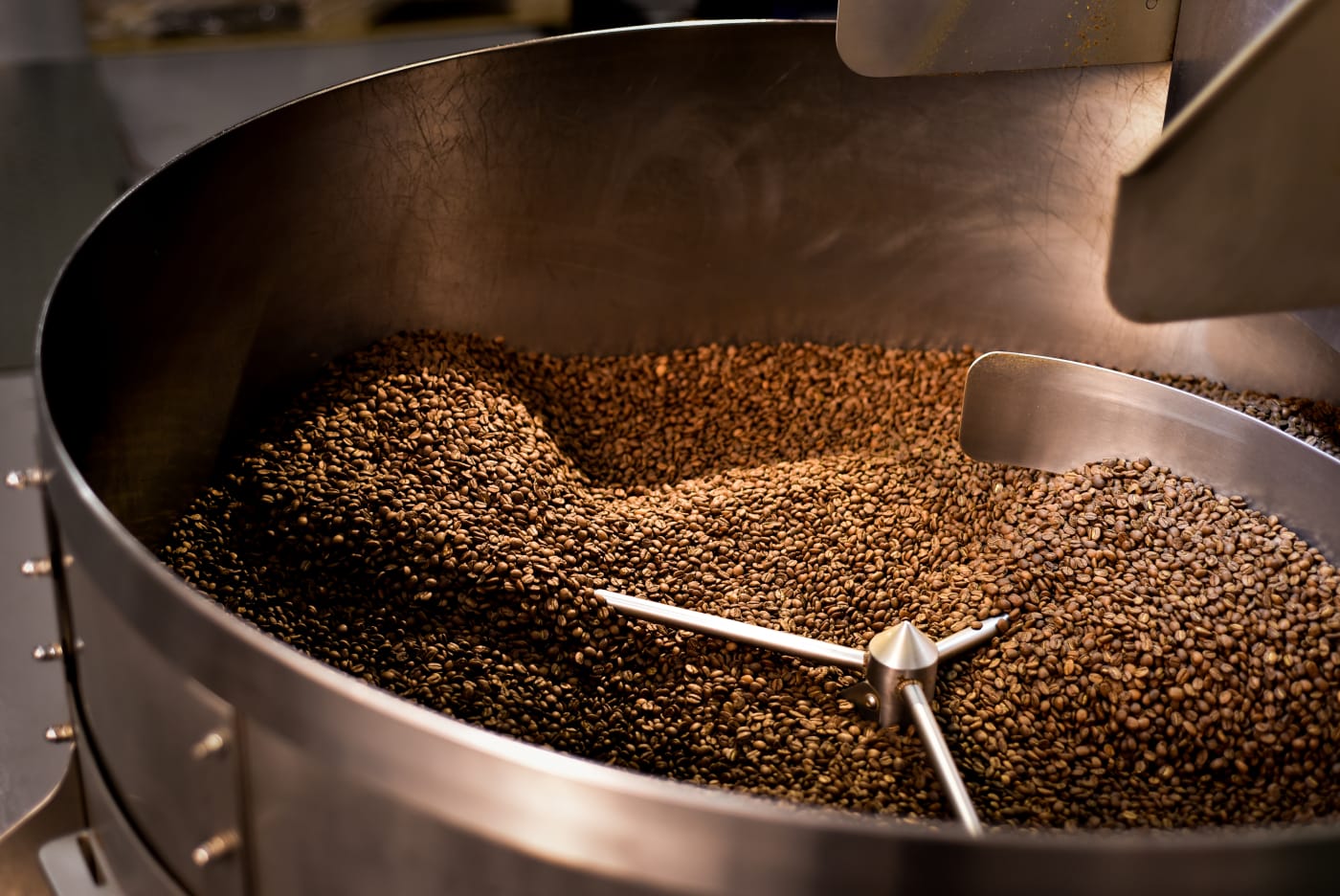
Freshly roasted coffee beans in the Pact roastery

Where to buy fresh roasted coffee beans in the UK

There are two reliable routes to genuinely fresh coffee beans in the UK — both of which maintain Pact’s standards, just through different supply chains.

Direct from pactcoffee.com

For the freshest possible cup, ordering directly from the roastery is hard to beat. At Pact’s roastery in Haslemere in the Surrey Hills, coffee is roasted in small, carefully monitored batches – not warehoused in industrial quantities. 

Beans are roasted the day before dispatch, which means they arrive at your door right at the beginning of the peak flavour window, still actively degassing and full of the aromatic complexity that careful sourcing and precise roasting have produced.

Every Pact bag features a one-way degassing valve – a small but important detail. In the days immediately after roasting, beans naturally release CO2. 

That gas needs somewhere to go, and without a valve, pressure would build inside a sealed bag. The valve lets the CO2 out while preventing oxygen from getting in, allowing the beans to breathe without allowing them to age.

In Waitrose

For those moments when you need coffee today, rather than tomorrow, Pact is available in over 300 Waitrose stores nationwide and on the Waitrose online store.

Maintaining freshness on a supermarket shelf requires a different approach to freshness in a direct delivery. Every bag in the Pact Waitrose range is nitrogen-flushed before sealing – a process in which food-grade nitrogen displaces the oxygen inside the bag before it’s sealed. 

Nitrogen is inert and harmless, and its presence effectively pauses oxidation, preserving the character of the beans until the moment you open the bag at home. It’s not quite the same as drinking coffee roasted yesterday, but it’s a meaningful step above a standard sealed bag sitting in a warehouse for months.

How to keep fresh coffee beans at their best

Buying fresh beans is only half the task. How you store them determines how long they stay that way.

Keep them in a cool, dark cupboard

A dry kitchen cupboard away from the hob, kettle, and any source of direct sunlight is all most people need. Heat accelerates the breakdown of the oils in the bean. Sunlight does the same. Consistent, room-temperature darkness is the right environment.

Seal the bag after every use

The resealable Pact bag is designed to do a proper job. Squeeze the excess air out before sealing the zip-lock each time – it takes a few seconds and makes a real difference over the life of the bag.

Never store them in the fridge

Coffee beans are hygroscopic – they absorb moisture and odours from their surroundings. 

Moving a cold bag from the fridge to the kitchen creates condensation inside the bag, which damages the oils that carry the flavour. 

The fridge also means your beans will gradually start to smell of whatever else is in there.

Consider an airtight canister

For anyone who wants to take storage seriously, the Pact Airtight Canister removes and seals out air rather than simply trapping it. 

Used consistently, it extends the peak flavour window by up to 50% – particularly useful for a 500g or 1kg bag that you’ll be working through over several weeks.

The Pact Airtight Canister

How to read a coffee bag for freshness

Not all date information on a coffee bag is equally useful. Here’s what to look for.

A roast date is the most valuable piece of information on any bag of coffee. It tells you exactly when the beans were roasted and allows you to calculate where you are in the freshness window. 

If a bag has a roast date and you’re buying it within four weeks of that date, you’re in good shape.

A best-before date, on its own, tells you very little. As a legal shelf-life estimate, it can be set years in the future – and gives no indication of when the coffee was actually roasted. 

Many bags in supermarket aisles carry only a best-before date. That’s a reason to look more carefully at what you’re buying.

A one-way degassing valve on the bag is a good signal. It suggests the coffhttps://www.pactcoffee.com/ee was packed while still actively releasing CO2 – which means it was sealed shortly after roasting, rather than after a period of sitting in a warehouse.

Finding fresh coffee beans near you

If you’re looking for fresh roasted coffee beans and want them today, Pact is available in over 300 Waitrose stores. You’ll find Bourbon Cream, House Coffee, and Bourbon Cream Decaf bags in the coffee aisle. They’re also available in Ocado and Whole Foods, too.

If you’d prefer your coffee roasted to order and delivered to your door – pactcoffee.com is where to start. 

A subscription means your coffee arrives on a schedule that matches how you drink, freshly roasted each time, without you having to think about reordering.

Start yours and get 25% off your first two orders here.

FAQs

How can I tell if coffee beans are fresh? 

Look for a roast date printed on the bag – not just a best-before date. A roast date tells you exactly when the beans were made and allows you to judge where you are in the freshness window. 

A one-way degassing valve on the packaging is also a good indicator that the beans were sealed shortly after roasting. Freshly roasted beans have a vivid, complex aroma when you open the bag. If the smell is flat and dull, the beans are past their best.

Is supermarket coffee fresh?

Most standard supermarket coffee has spent months in long, convoluted supply chains before reaching the shelf, and carries only a best-before date, rather than a roast date. 

But Pact’s range in Waitrose is nitrogen-flushed before sealing – a process that displaces oxygen inside the bag and preserves the beans’ freshness until you open it at home. 

Why does fresh coffee taste so different from supermarket coffee? 

Fresh speciality coffee – roasted recently, from great quality beans – retains the full range of aromatic compounds that the roasting process unlocks. 

Older coffee loses those compounds to oxygen over time, leaving a flat, woody flavour that bears little resemblance to what the bean was capable of at its best. The difference is most obvious in the aroma when you open the bag, and in the brightness and complexity of the first sip.

What is the best way to store fresh coffee beans? 

A cool, dark, dry cupboard is the ideal environment. Keep the bag sealed between uses, store it away from heat and sunlight, and avoid the fridge – the condensation and odour absorption that come with refrigeration will damage the beans faster than leaving them at room temperature. 

For the best results, a Pact Airtight Canister extends the peak flavour window by actively removing air rather than simply trapping it.