Beyond Fairtrade: why direct trade is the future of ethical coffee Beyond Fairtrade: why direct trade is the future of ethical coffee Coffee break reading
Coffee break reading

Beyond Fairtrade: why direct trade is the future of ethical coffee

Will

Written by Will / Views

Published - 20 March 2026

Key takeaways

  • Pact commits to $2.00/lb minimum to ensure independent growers can thrive, not just survive.
  • Higher pay funds growers to invest in climate-smart farming, such as shade-growing and terracing, securing the future of coffee against climate change.
  • Pact sources a permanent 50% of its coffee from women growers, actively challenging global industry imbalances.
  • By cutting out the complex middleman-heavy supply chain, Pact ensures more money reaches the grower’s bank account, bringing long-term stability and encouraging quality.

For years, the gold standard of ethical coffee was a little sticker on the bag. For a long time, we’ve been told that as long as that logo is there, we’re doing good with our brew.

But for us at Pact, ethical coffee is a bit more complex than that, and we believe that while fair is a vital starting point, it shouldn’t be the finish line.

While certifications like Fairtrade and The Rainforest Alliance provide protections, they often act as a safety net or green credentials for roasters, rather than a ladder for growers to thrive.

At Pact, we believe that to transform the lives of the people who grow exceptional beans, we have to go further – we have to work directly with the farm.

Maria Bercelia on the Los Ángeles farm in Colombia

Pact’s stance on Fairtrade

Pact thoroughly supports the work of Fairtrade International. In August 2023, Fairtrade made the significant move to increase its Minimum Price for Arabica coffee from $1.40/lb to $1.80/lb.

This was a great step forward, as the previous price often failed to cover the actual cost of production for the average grower.

This change ensures that many growers have a more profitable future. But for us at Pact, the Fairtrade model presents a significant challenge.

Fairtrade’s cooperative requirement

Fairtrade requires that growers join cooperatives to get certified. While this works for some, it doesn’t fit the model for many of the small, independent growers we have formed close relationships with over the last 14 years – the International Coffee Organization estimates that 60-75% of growers worldwide are not members of a formal cooperative.

For many of them, it would be costly and/or come at the expense of coffee quality, and we want to keep our close relationships with valued partner growers while supporting them to thrive.

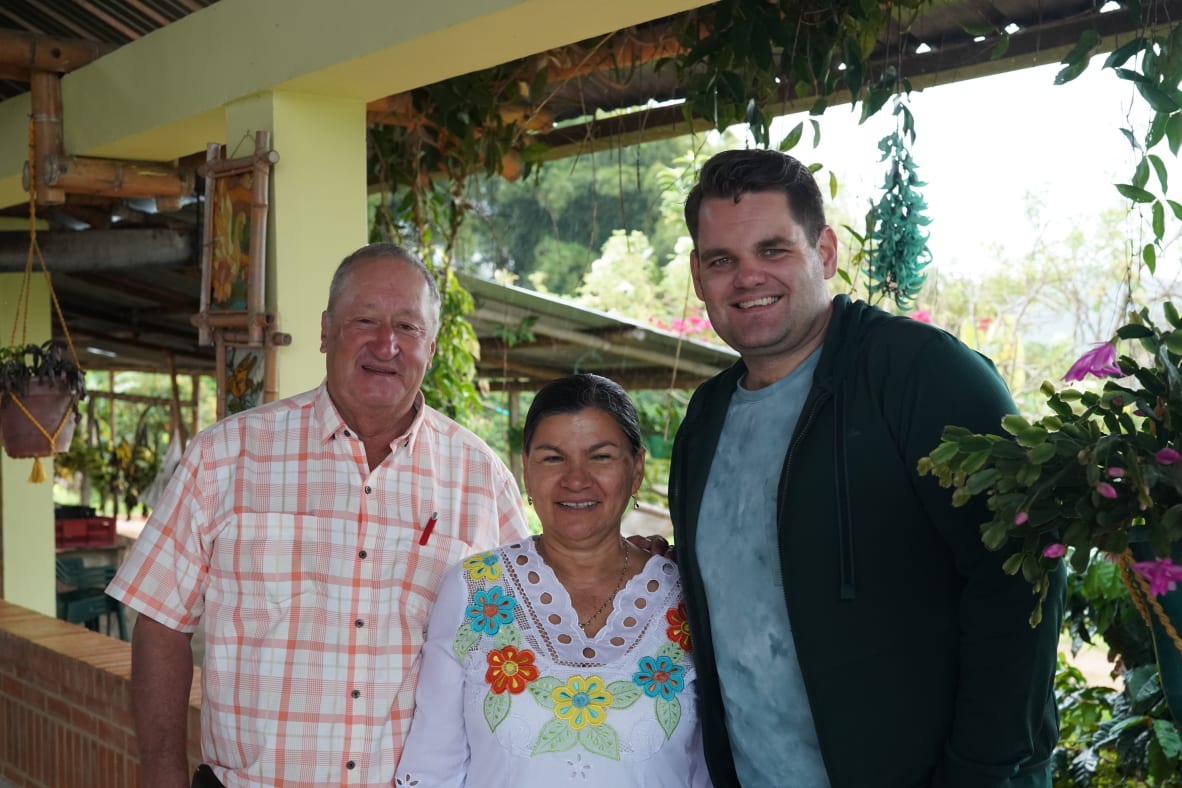
 José Ramón and Maria Del Rosario, growers on the Buenos Aires farm, with Pact Director of Coffee Will Corby
José Ramón and Maria Del Rosario, growers on the Buenos Aires farm, with Pact Director of Coffee Will Corby

Why Pact isn’t part of the Rainforest Alliance

The Rainforest Alliance focuses on environmental standards, protecting biodiversity and promoting sustainable land use.

While these are vital for the planet, the model doesn’t guarantee a price for growers, who have been regularly paid less than the cost of production throughout recent history. For us at Pact, ethical coffee must address grower income as much as sustainability.

How Pact’s direct trade works

Our version of ethical coffee sourcing is built on a transparent ‘pact’ between us and the growers.

Cut out the middlemen

In the coffee industry’s traditional supply chain, coffee passes through exporters, importers, commodity traders, packaging suppliers, and more. Each takes a cut. By the time the money reaches the grower, there’s often very little left.

The commodity market is also highly volatile. For example, the price of Arabica coffee rose 80% between November 2024 and February 2025. In early 2026, it then dropped by 25%, making grower income uncertain and leaving many to make a loss on a year’s crop.

That’s why we work directly with the farm – by removing unnecessary links, we ensure more money goes exactly where it belongs: into the grower’s bank account.

Paying the Fairtrade price as a minimum

When Fairtrade raised its minimum price to $1.80 per lb of Arabica coffee, we raised our minimum payment to $2 per lb for every grower.

This $2.00 minimum covers the Fairtrade base price while also incorporating an additional amount to recognize what would be the Fairtrade Premium (money intended for community projects). In many cases, we pay growers significantly more than this.

By paying this directly to the grower, we ensure they have the autonomy to invest in their own business and family as they see fit.

Long-term, mutually beneficial partnerships

Certification models can be transactional. Our system relies on forming long-term relationships, and we’ve worked with many growers for years. This stability allows them to plan for the future, whether that’s building better drying beds or providing healthcare for their workers.

Women growers in the Buhanga cooperative in Rwanda

How to read a coffee label to find ethical coffee

Its origin

If a bag just says ‘100% Colombian’, it’s likely a blend of low-grade beans from thousands of sources. Look for the name of the specific estate or the name of the grower. If the roaster can’t name the grower or growing cooperative, they didn’t buy it directly.

The variety and process

If a roaster labels the coffee as ‘washed’ or ‘natural’, they’ve likely paid close attention to the process behind it. This attention to detail is a good sign that they’re intentionally working with the grower.

SCA score

Speciality coffee, by definition, must score 80 points from a possible 100 with professional taste testers. When it reaches these heights, it’s declared ‘speciality-grade’.

All speciality-grade coffee is bought aside from the commodity market – although it can be bought through exporters, and not always directly from the farm, it’s far more likely to be ethical coffee than commodity-grade beans.

quotes
A major ambition for my farm is a great harvest that offers more employment opportunities and an improved quality of life for employees. ‘A world of opportunities'
Lorving Calderón, grower on the Mi Tazita farm for 41 years

Climate change and protecting coffee’s future

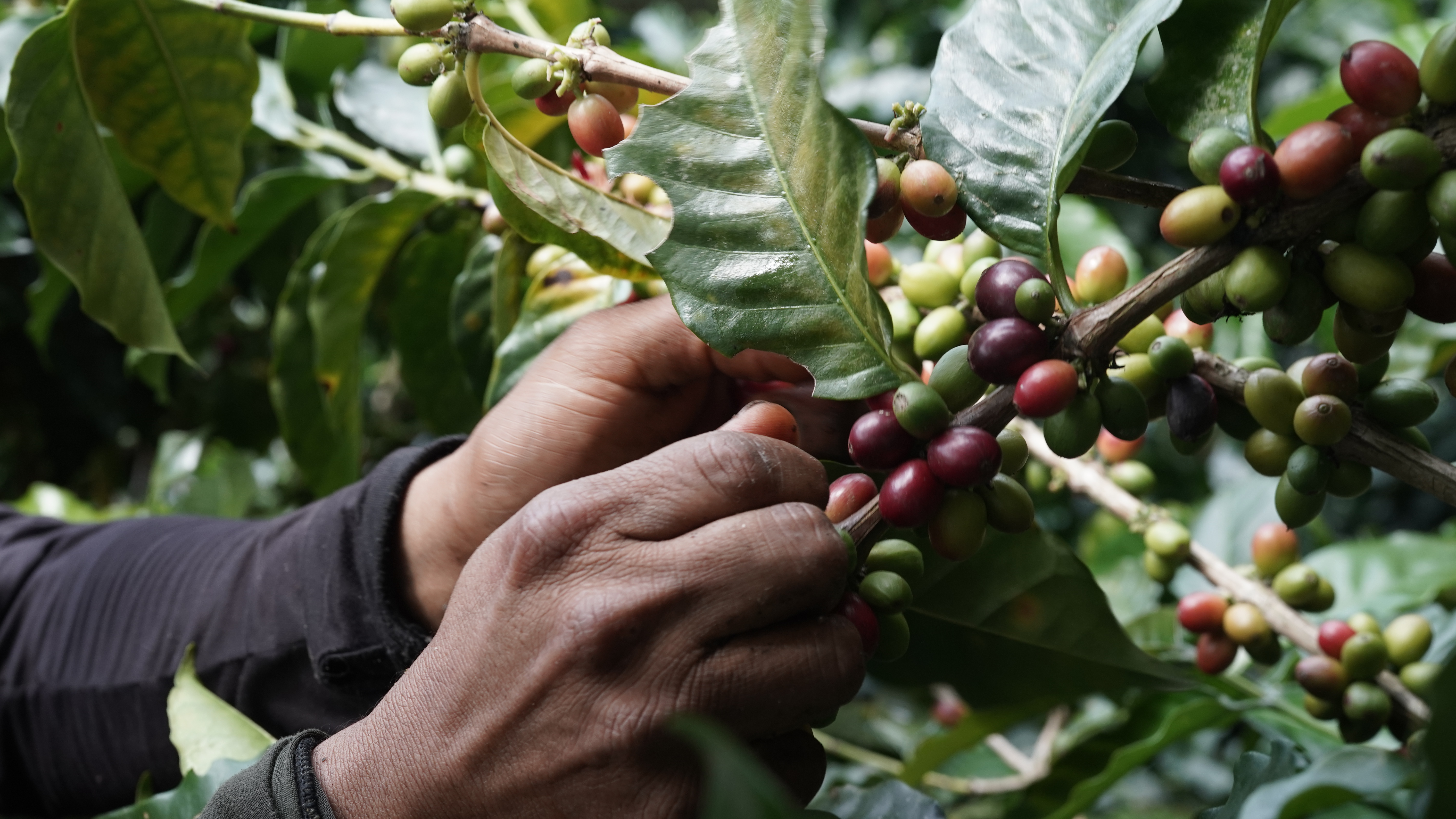
The climate crisis is a daily reality for growers. Rising temperatures and unpredictable rainfall are raising the presence of crop disease and pests, making great coffee even harder to produce.

With the traditional commodity market supply chain, one bad harvest can lead to bankruptcy. But with our direct trade model, ethical coffee means investing in resilience and helping growers to future-proof their farms.

Investing in the land

Paying growers a fair price gives them the opportunity to implement climate-smart techniques. We work with them on the farm to implement:

  • Shade growing to lower the temperature at ground level.
  • Terracing to prevent soil erosion during heavy rainstorms.
  • Pioneering varieties that withstand heat without sacrificing flavour quality.

Better coffee starts with Equal Ground

Women make up around 70% of the global coffee workforce, yet only 20% of farms are owned or run by them. 

We’ve committed to sourcing a permanent 50% of our coffee from women or gender-equity groups. In 2025, we reached 60%.

100% of the coffee in our Equal Ground Project is sourced from woman-run farms. 

Through intentional sourcing, we aren’t just buying great quality speciality beans – we’re backing talented women in coffee to challenge the imbalance in the global industry.

Pact's Equal Ground Project

Ethical coffee without compromise

There is a misconception that ethical coffee is a compromise – that you choose it for your conscience, not your tastebuds.

But with direct trade, exceptional flavour and aroma come hand in hand with doing the right thing. As we work directly with some of the world’s best growers, you get access to a quality of coffee rarely found elsewhere.

Whether it’s the bright, fruity acidity from the dizzying heights of Kenya or the chocolatey indulgence of Brazil, you’re tasting the skill and dedication of a true artisan.

We roast these beans in small batches, just days before delivery, to bring you this exceptional flavour – just as the grower intended.

Is direct trade the future?

As climate change makes farming significantly more difficult and the global cost of living rises, safety nets and sustainability premiums aren’t enough.

If we want to keep drinking incredible coffee in 20 years, we need to ensure that being a coffee grower is a profitable, viable career.

By choosing direct trade, you are supporting coffee that:

  • Treats growers as partners, not just suppliers.
  • Rewards quality with pay that goes further than covering the cost of production.
  • Makes transparency the default, not a marketing slogan.

For us at Pact, ethical coffee isn’t just a slogan. It’s a constant commitment to doing better by the people who make outstanding coffee possible. And by working directly with the world’s best growers, we can bring you a quality of coffee very rarely found elsewhere.

Try our ethical coffee now and get 25% off your first bag.

Beyond Fairtrade: why direct trade is the future of ethical coffee

Will

Written by Will

Views

Published - 20 March 2026

Key takeaways

  • Pact commits to $2.00/lb minimum to ensure independent growers can thrive, not just survive.
  • Higher pay funds growers to invest in climate-smart farming, such as shade-growing and terracing, securing the future of coffee against climate change.
  • Pact sources a permanent 50% of its coffee from women growers, actively challenging global industry imbalances.
  • By cutting out the complex middleman-heavy supply chain, Pact ensures more money reaches the grower’s bank account, bringing long-term stability and encouraging quality.

For years, the gold standard of ethical coffee was a little sticker on the bag. For a long time, we’ve been told that as long as that logo is there, we’re doing good with our brew.

But for us at Pact, ethical coffee is a bit more complex than that, and we believe that while fair is a vital starting point, it shouldn’t be the finish line.

While certifications like Fairtrade and The Rainforest Alliance provide protections, they often act as a safety net or green credentials for roasters, rather than a ladder for growers to thrive.

At Pact, we believe that to transform the lives of the people who grow exceptional beans, we have to go further – we have to work directly with the farm.

Maria Bercelia on the Los Ángeles farm in Colombia

Pact’s stance on Fairtrade

Pact thoroughly supports the work of Fairtrade International. In August 2023, Fairtrade made the significant move to increase its Minimum Price for Arabica coffee from $1.40/lb to $1.80/lb.

This was a great step forward, as the previous price often failed to cover the actual cost of production for the average grower.

This change ensures that many growers have a more profitable future. But for us at Pact, the Fairtrade model presents a significant challenge.

Fairtrade’s cooperative requirement

Fairtrade requires that growers join cooperatives to get certified. While this works for some, it doesn’t fit the model for many of the small, independent growers we have formed close relationships with over the last 14 years – the International Coffee Organization estimates that 60-75% of growers worldwide are not members of a formal cooperative.

For many of them, it would be costly and/or come at the expense of coffee quality, and we want to keep our close relationships with valued partner growers while supporting them to thrive.

 José Ramón and Maria Del Rosario, growers on the Buenos Aires farm, with Pact Director of Coffee Will Corby
José Ramón and Maria Del Rosario, growers on the Buenos Aires farm, with Pact Director of Coffee Will Corby

Why Pact isn’t part of the Rainforest Alliance

The Rainforest Alliance focuses on environmental standards, protecting biodiversity and promoting sustainable land use.

While these are vital for the planet, the model doesn’t guarantee a price for growers, who have been regularly paid less than the cost of production throughout recent history. For us at Pact, ethical coffee must address grower income as much as sustainability.

How Pact’s direct trade works

Our version of ethical coffee sourcing is built on a transparent ‘pact’ between us and the growers.

Cut out the middlemen

In the coffee industry’s traditional supply chain, coffee passes through exporters, importers, commodity traders, packaging suppliers, and more. Each takes a cut. By the time the money reaches the grower, there’s often very little left.

The commodity market is also highly volatile. For example, the price of Arabica coffee rose 80% between November 2024 and February 2025. In early 2026, it then dropped by 25%, making grower income uncertain and leaving many to make a loss on a year’s crop.

That’s why we work directly with the farm – by removing unnecessary links, we ensure more money goes exactly where it belongs: into the grower’s bank account.

Paying the Fairtrade price as a minimum

When Fairtrade raised its minimum price to $1.80 per lb of Arabica coffee, we raised our minimum payment to $2 per lb for every grower.

This $2.00 minimum covers the Fairtrade base price while also incorporating an additional amount to recognize what would be the Fairtrade Premium (money intended for community projects). In many cases, we pay growers significantly more than this.

By paying this directly to the grower, we ensure they have the autonomy to invest in their own business and family as they see fit.

Long-term, mutually beneficial partnerships

Certification models can be transactional. Our system relies on forming long-term relationships, and we’ve worked with many growers for years. This stability allows them to plan for the future, whether that’s building better drying beds or providing healthcare for their workers.

Women growers in the Buhanga cooperative in Rwanda

How to read a coffee label to find ethical coffee

Its origin

If a bag just says ‘100% Colombian’, it’s likely a blend of low-grade beans from thousands of sources. Look for the name of the specific estate or the name of the grower. If the roaster can’t name the grower or growing cooperative, they didn’t buy it directly.

The variety and process

If a roaster labels the coffee as ‘washed’ or ‘natural’, they’ve likely paid close attention to the process behind it. This attention to detail is a good sign that they’re intentionally working with the grower.

SCA score

Speciality coffee, by definition, must score 80 points from a possible 100 with professional taste testers. When it reaches these heights, it’s declared ‘speciality-grade’.

All speciality-grade coffee is bought aside from the commodity market – although it can be bought through exporters, and not always directly from the farm, it’s far more likely to be ethical coffee than commodity-grade beans.

quotes
A major ambition for my farm is a great harvest that offers more employment opportunities and an improved quality of life for employees. ‘A world of opportunities'
Lorving Calderón, grower on the Mi Tazita farm for 41 years

Climate change and protecting coffee’s future

The climate crisis is a daily reality for growers. Rising temperatures and unpredictable rainfall are raising the presence of crop disease and pests, making great coffee even harder to produce.

With the traditional commodity market supply chain, one bad harvest can lead to bankruptcy. But with our direct trade model, ethical coffee means investing in resilience and helping growers to future-proof their farms.

Investing in the land

Paying growers a fair price gives them the opportunity to implement climate-smart techniques. We work with them on the farm to implement:

  • Shade growing to lower the temperature at ground level.
  • Terracing to prevent soil erosion during heavy rainstorms.
  • Pioneering varieties that withstand heat without sacrificing flavour quality.

Better coffee starts with Equal Ground

Women make up around 70% of the global coffee workforce, yet only 20% of farms are owned or run by them. 

We’ve committed to sourcing a permanent 50% of our coffee from women or gender-equity groups. In 2025, we reached 60%.

100% of the coffee in our Equal Ground Project is sourced from woman-run farms. 

Through intentional sourcing, we aren’t just buying great quality speciality beans – we’re backing talented women in coffee to challenge the imbalance in the global industry.

Pact's Equal Ground Project

Ethical coffee without compromise

There is a misconception that ethical coffee is a compromise – that you choose it for your conscience, not your tastebuds.

But with direct trade, exceptional flavour and aroma come hand in hand with doing the right thing. As we work directly with some of the world’s best growers, you get access to a quality of coffee rarely found elsewhere.

Whether it’s the bright, fruity acidity from the dizzying heights of Kenya or the chocolatey indulgence of Brazil, you’re tasting the skill and dedication of a true artisan.

We roast these beans in small batches, just days before delivery, to bring you this exceptional flavour – just as the grower intended.

Is direct trade the future?

As climate change makes farming significantly more difficult and the global cost of living rises, safety nets and sustainability premiums aren’t enough.

If we want to keep drinking incredible coffee in 20 years, we need to ensure that being a coffee grower is a profitable, viable career.

By choosing direct trade, you are supporting coffee that:

  • Treats growers as partners, not just suppliers.
  • Rewards quality with pay that goes further than covering the cost of production.
  • Makes transparency the default, not a marketing slogan.

For us at Pact, ethical coffee isn’t just a slogan. It’s a constant commitment to doing better by the people who make outstanding coffee possible. And by working directly with the world’s best growers, we can bring you a quality of coffee very rarely found elsewhere.

Try our ethical coffee now and get 25% off your first bag.