What is speciality coffee? What is speciality coffee? Coffee break reading
Coffee break reading

What is speciality coffee?

Will

Written by Will / Views

Published - 25 March 2026

Key takeaways

  • Speciality coffee is defined by the Specialty Coffee Association (SCA) as any coffee scoring 80 points or higher on a 100-point scale.
  • This quality is achieved through selective picking, where growers hand-harvest the cherries only at peak ripeness.
  • Speciality coffee is usually roasted to order in small batches to accentuate natural flavours. Pact roasts the day before delivery.
  • While the industry baseline is 80, Pact Coffee sources beans scoring 84 points or higher.

If you’ve ever walked past a coffee shop and seen ‘speciality-grade’ on the window, you might have wondered: is this just marketing , or does it actually mean something for your mug?

Simply put, speciality coffee is the fine wine of the caffeine world. It’s coffee that’s been grown, processed, and roasted with care and expertise. 

But unlike a bottle of vintage Bordeaux, you don’t need an extensive knowledge or fancy vocabulary to enjoy it. 

At Pact, our mission is to make incredible coffee from the world’s best growers easy to enjoy. 

This is makes it different from the ‘commodity’ beans sitting on most supermarket shelves.

How speciality coffee is graded

The scorecard: what is SCA coffee grading?

Speciality coffee is defined by the Speciality Coffee Association (SCA) as:

“A coffee or coffee experience that is recognised for its distinctive attributes, resulting in a significantly higher value within the marketplace.”

To have ‘speciality’ status, a coffee has to pass a rigorous test. Think of it like a sommelier’s exam, but for coffee beans. The Specialty Coffee Association uses a 100-point scale to grade coffee quality.

Commodity coffee: scores below 80. This is the bulk-bought coffee used for instant granules or generic blends. It’s often overroasted to disguise its lack of flavour, often bitter or burnt tasting.

Speciality coffee: must score 80 points or higher. 

Within speciality coffee, there are then three brackets: ‘very good’ (80-84 points), ‘outstanding’ (85-89 points), and ‘exceptional’ (90+ points).

At Pact, all of our coffee scores a minimum of 84 points. This isn’t just about the status, as it ensures that the beans are defect-free and packed with the outstanding natural flavours only made possible by the world’s best growers – from vibrant blackcurrant to smooth, indulgent chocolate, and plenty in between.

Speciality beans at the Pact roastery

Commodity vs. speciality coffee: more than just taste

The difference between commodity and speciality isn’t just about the flavor in your cup – it’s about the entire lifecycle of the bean.

 We believe that growers behind outstanding coffee beans deserve more than a fair price – they deserve to see their coffee relished, savoured, and talked about.

The main points of difference are:

Commodity coffee

  • Quantity over quality. 
  • Bought anonymously, with little to no trace of the grower or place of origin. 
  • Often roasted very dark.
  • Mass produced. 
  • Purchasing price fluctuates with the commodity market. 

Speciality coffee

  • High quality.
  • Often bought directly from the grower. 
  • Has a clear sign of its origin. 
  • Precision-roasted to order.
  • Stable, premium prices for growers.

Why Pact chooses Direct Trade over Fairtrade

You’ve likely seen the Fairtrade logo. It’s a great start for ensuring a minimum price, but at Pact, we go much further with Direct Trade

We work directly with the world’s best growers – building long-term partnerships that cut out the middleman to bring our customers an outstanding cup.

While the commodity market often leaves growers to lose money on a year’s crop,. Fairtrade is a vital safety net. But Direct Trade is a ladder for growers that flourish. 

Through Direct Trade, we pay every grower at least 10% higher than the Fairtrade base price. In 2025, we paid growers, on average, 46% more than the Fairtrade base price. 

How is speciality coffee grown?

To create coffee with the flavours and aromas deserved of ‘speciality’ status, it takes dedication, patience, and elite craftspeople. 

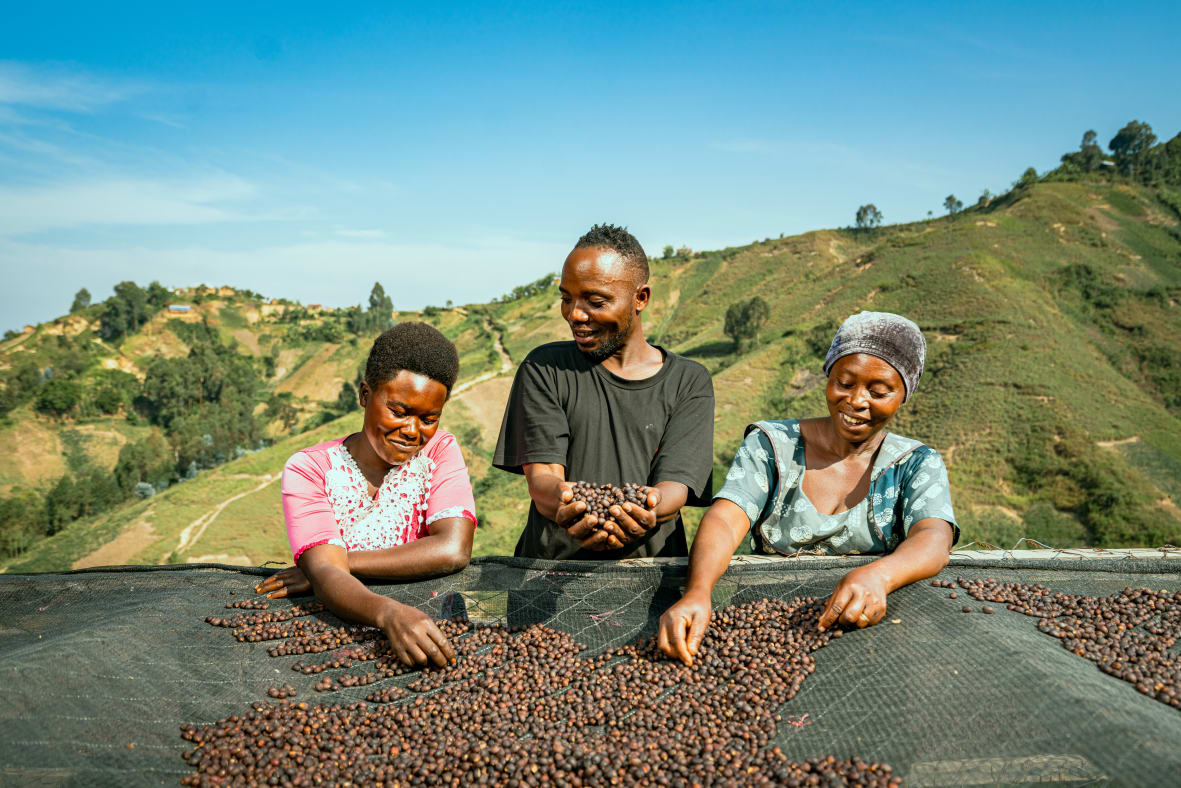
On a speciality coffee farm, harvesting isn’t just about stripping a branch. It’s a meticulous process of selective picking. Workers go through the same trees multiple times, picking only the cherries that are at the perfect peak of ripeness – imagine picking just the reddest, juiciest strawberries from a field.

Speciality coffee is also free of defects, like bugs, sticks, and mould, making it not only better tasting, but better for you, too. 

This dedication to quality is what creates the perfect brew. By connecting Pact customers directly with the world’s best growers, we can bring you the pleasurable morning ritual that you don’t find elsewhere.

Speciality coffee farmers on the Chebumba Washing Station in The DRC

How is speciality coffee processed?

Once the coffee cherries are picked, they have to be processed to get the bean out. This is where the magic (and plenty of the flavour) happens.

Washed process: the fruit is removed before drying. This leads to a ‘clean’ cup where you can really taste the hallmarks of the bean’s origin. Think of the juicy, bright light roasts from Kenya. 

Natural process: the bean is sun-dried inside the cherry. As it ferments, it absorbs the sugars from the pulp, developing a deep body and an intense sweetness. This is almost always used on the chocolatey roasts in Brazil. 

Honey process: this is the middle ground, where some of the sticky fruit (mucilage) is left on the bean, creating a creamy mouthfeel and a mellow, syrup-like sweetness.

Precision roasting in our Haslemere roastery 

You can have the best beans in the world, but if you roast them poorly, that hard work is lost. At Pact, our role is to honour the grower’s work by roasting with precision.

Unlike commodity coffee, which is often over-roasted to hide defects and create a uniform burnt taste, speciality roasting at Pact is about accentuating the bean’s natural character. 

Our expert team uses precision technology, roasting to order, to ensure that every bag reflects the care and dedication of the grower.

Why does Pact roast fresh?

Although plenty of commodity coffee is months, if not years, old when it finally reaches the drinker, coffee is a fresh seasonal product.Once it’s roasted, the clock starts ticking as flavours and aromas are quickly stripped away by oxygen. That’s why we roast ours to order.For those new to speciality coffee, the jump from an overroasted, stale bag of coffee to a bag of speciality-grade beans roasted a few days ago is that lightbulb moment in their coffee journey – that’s why we design every step of our process to bring you coffee at its very best.

Green (unroasted) coffee in the Pact roastery

Speciality coffee key terms

Some of the terms you see when you’re reading about speciality coffee might be a bit confusing. Here’s what they mean in a nutshell.

Cupping notes: these aren’t added flavours – they’re natural hints found in the coffee bean. What we list on our labels, cards, and webpages are what our expert team have found when tasting the coffee. 

Body: think of this as the ‘weight’ of the coffee in your mouth. Is it light, refreshing, and almost tea-like or rich, coating, and full?

Acidity: this is the ‘brightness’ or ‘zing’ that makes the coffee taste lively rather than flat. Think of the difference between a fresh apple and a preserved one.

quotes
“Speciality coffee isn’t just a message: it’s real green coffee quality, a real commitment to long-term relationships, and real quality in the cup”
Will Corby, Pact’s Director of Coffee, who has 21 years of experience in speciality coffee.

Speciality coffee in 2026

The global coffee industry has just seen two of its most tumultuous years of the past century, defined by two of the hottest years on record, severe shipping disruptions, geopolitical conflict, and inflation causing price increases across every step of the supply chain. 

As a result, the cost of producing speciality coffee has increased significantly, with the cost of green (unroasted) coffee almost doubling between November 2024 and February 2025

To protect margins, many have traded into lower quality beans with less traceability – for example, named after the region or country that they’re bought from, rather than the grower or farm. 

At Pact, we’re committed to trading directly with the world’s best growers to bring you a truly outstanding brew. You can try it for just 43p per cup.

What is speciality coffee?

Will

Written by Will

Views

Published - 25 March 2026

Key takeaways

  • Speciality coffee is defined by the Specialty Coffee Association (SCA) as any coffee scoring 80 points or higher on a 100-point scale.
  • This quality is achieved through selective picking, where growers hand-harvest the cherries only at peak ripeness.
  • Speciality coffee is usually roasted to order in small batches to accentuate natural flavours. Pact roasts the day before delivery.
  • While the industry baseline is 80, Pact Coffee sources beans scoring 84 points or higher.

If you’ve ever walked past a coffee shop and seen ‘speciality-grade’ on the window, you might have wondered: is this just marketing , or does it actually mean something for your mug?

Simply put, speciality coffee is the fine wine of the caffeine world. It’s coffee that’s been grown, processed, and roasted with care and expertise. 

But unlike a bottle of vintage Bordeaux, you don’t need an extensive knowledge or fancy vocabulary to enjoy it. 

At Pact, our mission is to make incredible coffee from the world’s best growers easy to enjoy. 

This is makes it different from the ‘commodity’ beans sitting on most supermarket shelves.

How speciality coffee is graded

The scorecard: what is SCA coffee grading?

Speciality coffee is defined by the Speciality Coffee Association (SCA) as:

“A coffee or coffee experience that is recognised for its distinctive attributes, resulting in a significantly higher value within the marketplace.”

To have ‘speciality’ status, a coffee has to pass a rigorous test. Think of it like a sommelier’s exam, but for coffee beans. The Specialty Coffee Association uses a 100-point scale to grade coffee quality.

Commodity coffee: scores below 80. This is the bulk-bought coffee used for instant granules or generic blends. It’s often overroasted to disguise its lack of flavour, often bitter or burnt tasting.

Speciality coffee: must score 80 points or higher. 

Within speciality coffee, there are then three brackets: ‘very good’ (80-84 points), ‘outstanding’ (85-89 points), and ‘exceptional’ (90+ points).

At Pact, all of our coffee scores a minimum of 84 points. This isn’t just about the status, as it ensures that the beans are defect-free and packed with the outstanding natural flavours only made possible by the world’s best growers – from vibrant blackcurrant to smooth, indulgent chocolate, and plenty in between.

Speciality beans at the Pact roastery

Commodity vs. speciality coffee: more than just taste

The difference between commodity and speciality isn’t just about the flavor in your cup – it’s about the entire lifecycle of the bean.

 We believe that growers behind outstanding coffee beans deserve more than a fair price – they deserve to see their coffee relished, savoured, and talked about.

The main points of difference are:

Commodity coffee

  • Quantity over quality. 
  • Bought anonymously, with little to no trace of the grower or place of origin. 
  • Often roasted very dark.
  • Mass produced. 
  • Purchasing price fluctuates with the commodity market. 

Speciality coffee

  • High quality.
  • Often bought directly from the grower. 
  • Has a clear sign of its origin. 
  • Precision-roasted to order.
  • Stable, premium prices for growers.

Why Pact chooses Direct Trade over Fairtrade

You’ve likely seen the Fairtrade logo. It’s a great start for ensuring a minimum price, but at Pact, we go much further with Direct Trade

We work directly with the world’s best growers – building long-term partnerships that cut out the middleman to bring our customers an outstanding cup.

While the commodity market often leaves growers to lose money on a year’s crop,. Fairtrade is a vital safety net. But Direct Trade is a ladder for growers that flourish. 

Through Direct Trade, we pay every grower at least 10% higher than the Fairtrade base price. In 2025, we paid growers, on average, 46% more than the Fairtrade base price. 

How is speciality coffee grown?

To create coffee with the flavours and aromas deserved of ‘speciality’ status, it takes dedication, patience, and elite craftspeople. 

On a speciality coffee farm, harvesting isn’t just about stripping a branch. It’s a meticulous process of selective picking. Workers go through the same trees multiple times, picking only the cherries that are at the perfect peak of ripeness – imagine picking just the reddest, juiciest strawberries from a field.

Speciality coffee is also free of defects, like bugs, sticks, and mould, making it not only better tasting, but better for you, too. 

This dedication to quality is what creates the perfect brew. By connecting Pact customers directly with the world’s best growers, we can bring you the pleasurable morning ritual that you don’t find elsewhere.
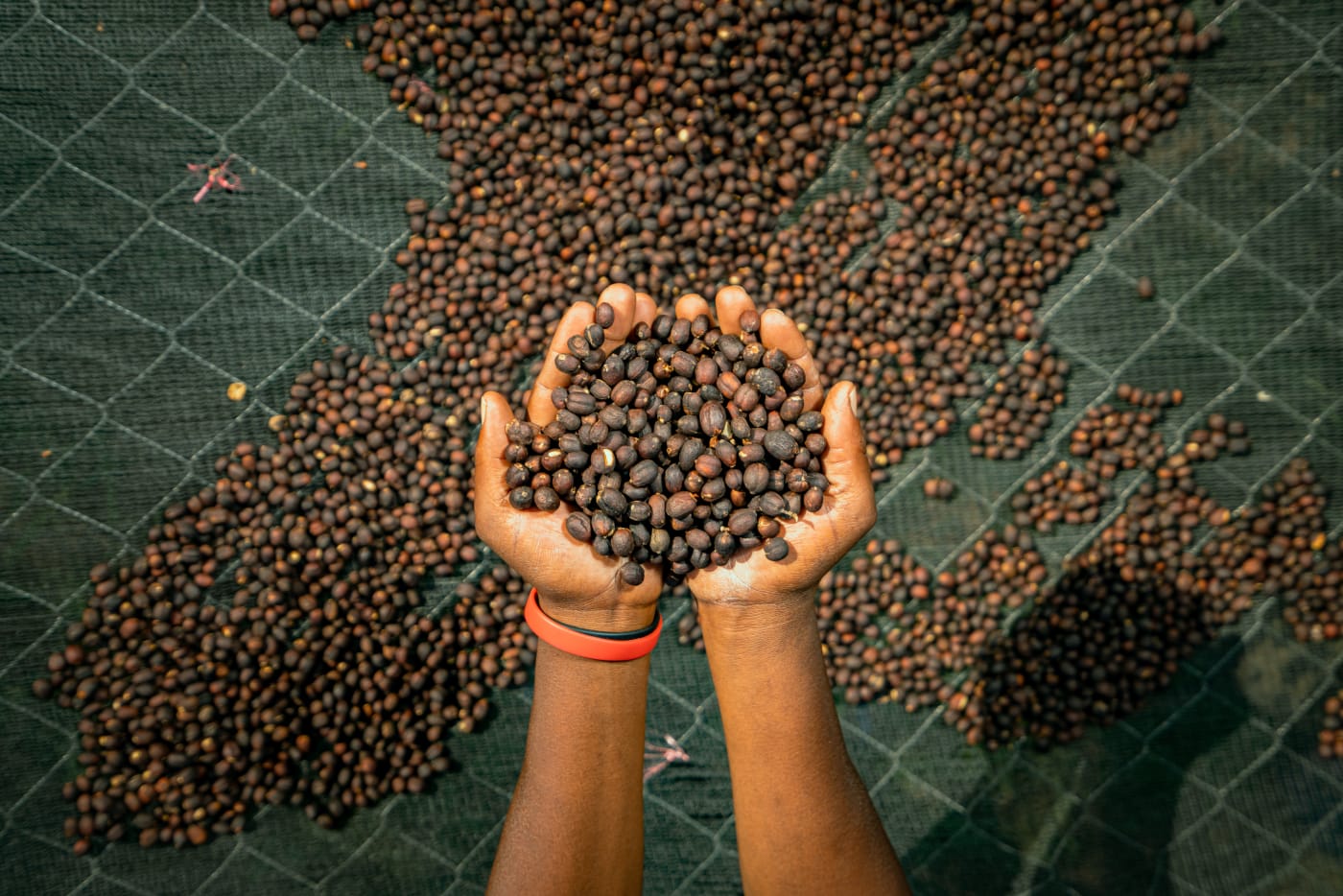
Speciality coffee farmers on the Chebumba Washing Station in The DRC

How is speciality coffee processed?

Once the coffee cherries are picked, they have to be processed to get the bean out. This is where the magic (and plenty of the flavour) happens.

Washed process: the fruit is removed before drying. This leads to a ‘clean’ cup where you can really taste the hallmarks of the bean’s origin. Think of the juicy, bright light roasts from Kenya. 

Natural process: the bean is sun-dried inside the cherry. As it ferments, it absorbs the sugars from the pulp, developing a deep body and an intense sweetness. This is almost always used on the chocolatey roasts in Brazil. 

Honey process: this is the middle ground, where some of the sticky fruit (mucilage) is left on the bean, creating a creamy mouthfeel and a mellow, syrup-like sweetness.

Precision roasting in our Haslemere roastery 

You can have the best beans in the world, but if you roast them poorly, that hard work is lost. At Pact, our role is to honour the grower’s work by roasting with precision.

Unlike commodity coffee, which is often over-roasted to hide defects and create a uniform burnt taste, speciality roasting at Pact is about accentuating the bean’s natural character. 

Our expert team uses precision technology, roasting to order, to ensure that every bag reflects the care and dedication of the grower.

Why does Pact roast fresh?

Although plenty of commodity coffee is months, if not years, old when it finally reaches the drinker, coffee is a fresh seasonal product.Once it’s roasted, the clock starts ticking as flavours and aromas are quickly stripped away by oxygen. That’s why we roast ours to order.For those new to speciality coffee, the jump from an overroasted, stale bag of coffee to a bag of speciality-grade beans roasted a few days ago is that lightbulb moment in their coffee journey – that’s why we design every step of our process to bring you coffee at its very best.

Green (unroasted) coffee in the Pact roastery

Speciality coffee key terms

Some of the terms you see when you’re reading about speciality coffee might be a bit confusing. Here’s what they mean in a nutshell.

Cupping notes: these aren’t added flavours – they’re natural hints found in the coffee bean. What we list on our labels, cards, and webpages are what our expert team have found when tasting the coffee. 

Body: think of this as the ‘weight’ of the coffee in your mouth. Is it light, refreshing, and almost tea-like or rich, coating, and full?

Acidity: this is the ‘brightness’ or ‘zing’ that makes the coffee taste lively rather than flat. Think of the difference between a fresh apple and a preserved one.

quotes
“Speciality coffee isn’t just a message: it’s real green coffee quality, a real commitment to long-term relationships, and real quality in the cup”
Will Corby, Pact’s Director of Coffee, who has 21 years of experience in speciality coffee.

Speciality coffee in 2026

The global coffee industry has just seen two of its most tumultuous years of the past century, defined by two of the hottest years on record, severe shipping disruptions, geopolitical conflict, and inflation causing price increases across every step of the supply chain. 

As a result, the cost of producing speciality coffee has increased significantly, with the cost of green (unroasted) coffee almost doubling between November 2024 and February 2025

To protect margins, many have traded into lower quality beans with less traceability – for example, named after the region or country that they’re bought from, rather than the grower or farm. 

At Pact, we’re committed to trading directly with the world’s best growers to bring you a truly outstanding brew. You can try it for just 43p per cup.