Which country produces the most coffee? A 2026 guide to coffee origins. Which country produces the most coffee? A 2026 guide to coffee origins. Coffee break reading
Coffee break reading

Which country produces the most coffee? A 2026 guide to coffee origins.

Will

Written by Will / Views

Published - 16 May 2022 / Updated - 01 May 2026

Key takeaways

  • Brazil remains the largest coffee producer globally in 2026/27, with an estimated 75.4 million 60kg bags produced.
  • While Vietnam is the second-largest producer, its focus is primarily on Robusta. Pact prioritises Arabica from high-altitude origins such as Colombia, Rwanda, and Kenya.
  • Regardless of a country’s total output, Pact only sources beans that score 84 points or higher on the SCA scale – ensuring rare quality in every bag.
  • Origin dictates flavour: Rwanda is prized for berry-like acidity, Honduras for honeyed sweetness, and the DRC for syrupy, citrus-balanced complexity.

If you’ve ever looked at the origin printed on your Pact bag and found yourself wondering about the journey from a high-altitude farm to your kitchen, you’re not alone.

Coffee is a global marvel – grown across a 5,100km band of tropical land known as the Bean Belt, stretching between the Tropics of Cancer and Capricorn.

Over 70 countries produce coffee. The volumes coming from the world’s largest producers are staggering.

But at Pact, we’ve always believed that volume tells only half the story. What we’re looking for is rare quality – the beans that score 84 points or higher on the SCA scale, grown by skilled, dedicated producers who understand what their land is capable of. That’s the top 1% of the global harvest.

Here’s a look at the countries producing the most coffee in the world — and why the landscapes, altitudes, and people behind them matter to what ends up in your cup.

Flávio Reis on the Fazenda Reis farm in Brazil

Which country is the world’s largest producer of coffee?

Brazil is the largest producer of coffee in the world – a title it has held for over 150 years. In the 2026/27 harvest cycle, Brazil is estimated to produce 75.4 million 60kg bags, a world record which accounts for 40% of the entire planet’s supply.

It’s estimated that 49.4 million of these bags will be Arabica, while Robusta output is projected at 26 million bags.

With over 10,000 square miles dedicated to coffee cultivation, Brazil’s vast tropical landscape is exceptionally well suited to the crop.

The country’s lower-altitude farms and natural processing traditions produce a style of coffee that’s distinctive and deeply recognisable – smooth, full-bodied, with the chocolatey, nutty warmth that has made Brazilian coffee a staple the world over.

But scale alone doesn’t produce great coffee. That takes growers who care, who push their craft, and who treat every harvest as something worth getting right.

That’s why, at Pact, we seek out dedicated partners like Jaceline and Julia Basilio at Sitio de Jaja and Flávio Reis on Fazenda Reis – three of the best growers in Brazil who excel in producing the indulgent, chocolatey notes that the country at its best is famous for.

quotes
Coffee has always been part of life and means daily learning about constant challenges in quality and productivity.
Jaceline Basilio, whose family have grown coffee on the Sitio de Jaja farm since 1970

Top 5 coffee-producing countries by volume (2025/26)

1) Brazil

Amount: 63 million 60kg bags

Primary species: Arabica and Robusta.

The Pact perspective: the home of our favourite chocolatey coffees. 

2) Vietnam

Amount: 30-31 million 60kg bags

Primary species: Robusta 

The Pact perspective: a powerhouse for volume and instant coffee.

3) Colombia

Amount: 13.8 million 60kg bags

Primary species: Arabica.

The Pact perspective: a world leader for bright high-altitude speciality coffee.

4) Indonesia

Amount: 12.45 million 60kg bags

Primary species: Arabica and Robusta.

The Pact perspective: deep, earthy, and full-bodied.

5) Ethiopia

Amount: 11.56 million 60kg bags

Primary species: Arabica.

The Pact perspective: the ancestral home of coffee and globally admired for good reason.

Ramiro Suarez Ramos on the Casa Loma farm in Colombia

What makes Colombian coffee a world leader in quality?

While Brazil leads on volume, Colombia is widely regarded as the gold standard for washed Arabica – and altitude is the reason why.

Coffee cherries love height. The higher they grow, the slower they ripen. That slow development is where complexity comes from – where the vivid flavours and sparkling acidity that define a truly great cup have time to build, layer by layer, before the cherry is picked.

Pact’s Colombian coffees are regularly grown at 1,700 metres above sea level or higher. Farming at that altitude takes genuine skill – managing the temperature, the rainfall, the soil –  and the results speak for themselves.

We’ve worked with Ramiro Suarez Ramos on the Casa Loma farm for 12 years, watching his coffee earn a reputation as some of the finest produced in the country. That kind of long-term partnership is how great coffee gets better.,

Members of the Muungano cooperative in The DRC

Why does coffee origin matter for flavour?

The terroir (the unique combination of soil, altitude, and climate) acts as a coffee’s DNA. No two origins taste alike, and within a single origin, no two farms produce quite the same cup. 

At Pact, we source from origins where the landscape and the grower’s skill combine to create something genuinely worth seeking out.

Rwanda

Known as the Land of a Thousand Hills, Rwanda’s volcanic soil and high elevations produce some of the most elegant coffees in our range.

Expect a vivid, sparkling acidity, often reminiscent of red berries or crisp apples, and a clarity in the cup that reflects the meticulous washing station standards the country’s coffee industry has built its reputation on.

Honduras

Honduran beans are celebrated for their creamy, honeyed mouthfeel and layered sweetness –  stone fruit, caramel notes. 

Coffees like Los Zorzales and El Sapote showcase what the country’s lush tropical highlands are capable of in the right hands.

The DRC

Coffee from the Democratic Republic of Congo is a bit of an overlooked gem. These beans, often grown near the high-altitude shores of Lake Kivu, develop a dense, syrupy complexity. 

As winners of The Best of Congo Cooperatives have shown, DRC coffee often carries a striking profile of dark chocolate balanced by a zesty, orange-like brightness. 

DRC coffee rarely leaves the country, but when it does, you’ll taste something truly special. Look out for winners of The Best of Congo Cooperatives launching on our menu over the year.

Marcus Carvalho on the Chapada farm in Brazil

As the world heats up, the future of coffee production in these countries is under serious threat. Studies show that Arabica cultivation could be halved by 2050 – a threat to the livelihoods of millions of growers and to the diversity of coffee that drinkers around the world have come to love.

This is one of the reasons direct trade matters beyond the price it pays. Long-term relationships with growers allow them to think about the future of a farm, not just the next harvest. 

For example, when you choose a bag of Sitio de Jaja, you’re supporting the Basilio family’s commitment to reforesting their land and protecting the microclimate that makes their coffee possible. 

That investment in the farm’s future is something they’ve chosen to make. We’re glad to be part of making it viable.

Taste the earth’s best beans, always sustainably grown, and take 25% off your first two orders here.

FAQs

Which country produces the most Arabica coffee?

Brazil produces the most Arabica coffee in the world.

Why is Brazilian coffee so popular for espresso? 

Brazilian beans typically have a mild nature with nutty, chocolatey notes and a syrupy body, making them the perfect, comforting base for a flat white or latte.

Do the countries that produce the most coffee produce the best coffee? 

Not necessarily. While Vietnam and Brazil produce the most coffee, smaller producers like Panama often produce the highest-scoring speciality beans (90+ points) due to their unique climates.

Which country produces the most coffee? A 2026 guide to coffee origins.

Will

Written by Will

Views

Published - 16 May 2022

Updated - 01 May 2026

Key takeaways

  • Brazil remains the largest coffee producer globally in 2026/27, with an estimated 75.4 million 60kg bags produced.
  • While Vietnam is the second-largest producer, its focus is primarily on Robusta. Pact prioritises Arabica from high-altitude origins such as Colombia, Rwanda, and Kenya.
  • Regardless of a country’s total output, Pact only sources beans that score 84 points or higher on the SCA scale – ensuring rare quality in every bag.
  • Origin dictates flavour: Rwanda is prized for berry-like acidity, Honduras for honeyed sweetness, and the DRC for syrupy, citrus-balanced complexity.

If you’ve ever looked at the origin printed on your Pact bag and found yourself wondering about the journey from a high-altitude farm to your kitchen, you’re not alone.

Coffee is a global marvel – grown across a 5,100km band of tropical land known as the Bean Belt, stretching between the Tropics of Cancer and Capricorn.

Over 70 countries produce coffee. The volumes coming from the world’s largest producers are staggering.

But at Pact, we’ve always believed that volume tells only half the story. What we’re looking for is rare quality – the beans that score 84 points or higher on the SCA scale, grown by skilled, dedicated producers who understand what their land is capable of. That’s the top 1% of the global harvest.

Here’s a look at the countries producing the most coffee in the world — and why the landscapes, altitudes, and people behind them matter to what ends up in your cup.

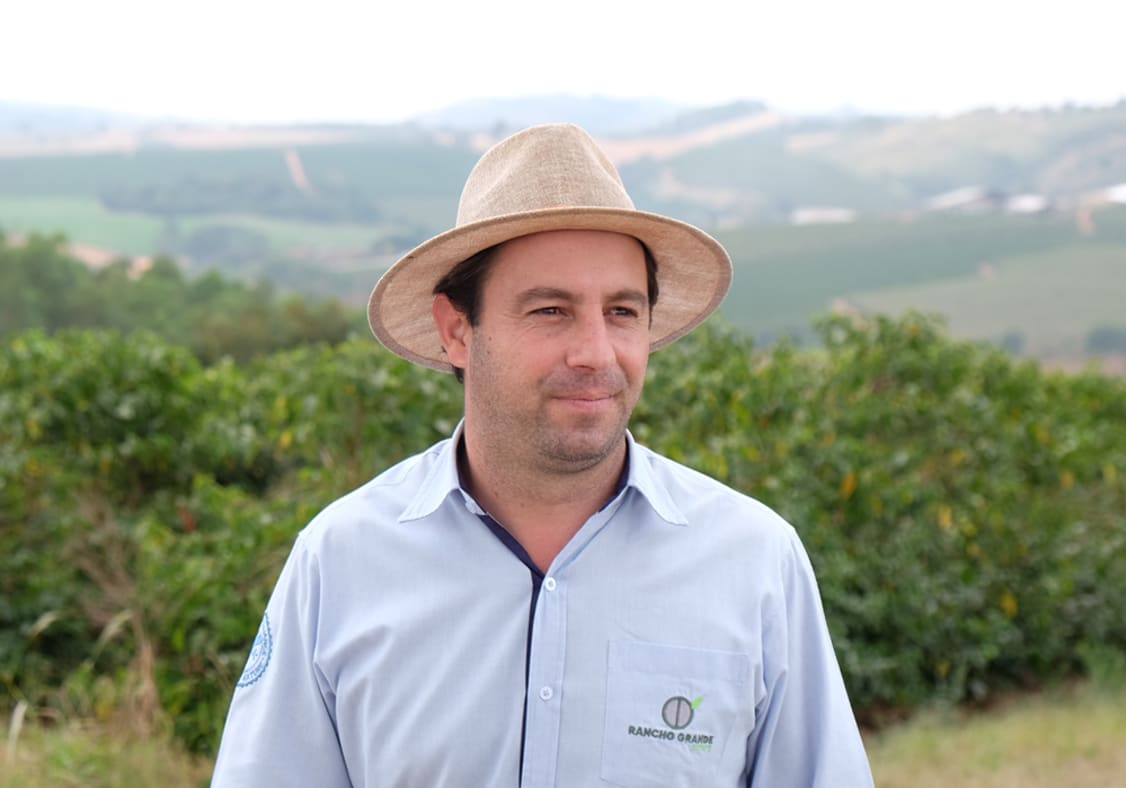
Flávio Reis on the Fazenda Reis farm in Brazil

Which country is the world’s largest producer of coffee?

Brazil is the largest producer of coffee in the world – a title it has held for over 150 years. In the 2026/27 harvest cycle, Brazil is estimated to produce 75.4 million 60kg bags, a world record which accounts for 40% of the entire planet’s supply.

It’s estimated that 49.4 million of these bags will be Arabica, while Robusta output is projected at 26 million bags.

With over 10,000 square miles dedicated to coffee cultivation, Brazil’s vast tropical landscape is exceptionally well suited to the crop.

The country’s lower-altitude farms and natural processing traditions produce a style of coffee that’s distinctive and deeply recognisable – smooth, full-bodied, with the chocolatey, nutty warmth that has made Brazilian coffee a staple the world over.

But scale alone doesn’t produce great coffee. That takes growers who care, who push their craft, and who treat every harvest as something worth getting right.

That’s why, at Pact, we seek out dedicated partners like Jaceline and Julia Basilio at Sitio de Jaja and Flávio Reis on Fazenda Reis – three of the best growers in Brazil who excel in producing the indulgent, chocolatey notes that the country at its best is famous for.

quotes
Coffee has always been part of life and means daily learning about constant challenges in quality and productivity.
Jaceline Basilio, whose family have grown coffee on the Sitio de Jaja farm since 1970

Top 5 coffee-producing countries by volume (2025/26)

1) Brazil

Amount: 63 million 60kg bags

Primary species: Arabica and Robusta.

The Pact perspective: the home of our favourite chocolatey coffees. 

2) Vietnam

Amount: 30-31 million 60kg bags

Primary species: Robusta 

The Pact perspective: a powerhouse for volume and instant coffee.

3) Colombia

Amount: 13.8 million 60kg bags

Primary species: Arabica.

The Pact perspective: a world leader for bright high-altitude speciality coffee.

4) Indonesia

Amount: 12.45 million 60kg bags

Primary species: Arabica and Robusta.

The Pact perspective: deep, earthy, and full-bodied.

5) Ethiopia

Amount: 11.56 million 60kg bags

Primary species: Arabica.

The Pact perspective: the ancestral home of coffee and globally admired for good reason.

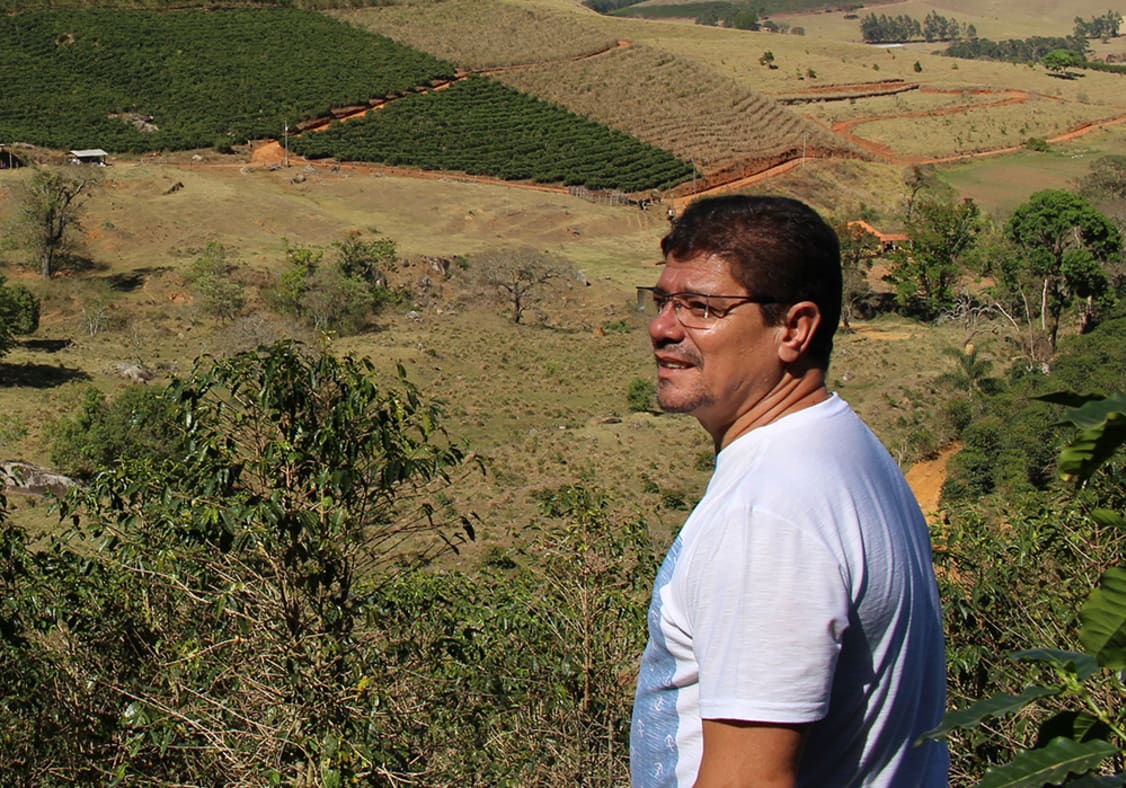
Ramiro Suarez Ramos on the Casa Loma farm in Colombia

What makes Colombian coffee a world leader in quality?

While Brazil leads on volume, Colombia is widely regarded as the gold standard for washed Arabica – and altitude is the reason why.

Coffee cherries love height. The higher they grow, the slower they ripen. That slow development is where complexity comes from – where the vivid flavours and sparkling acidity that define a truly great cup have time to build, layer by layer, before the cherry is picked.

Pact’s Colombian coffees are regularly grown at 1,700 metres above sea level or higher. Farming at that altitude takes genuine skill – managing the temperature, the rainfall, the soil –  and the results speak for themselves.

We’ve worked with Ramiro Suarez Ramos on the Casa Loma farm for 12 years, watching his coffee earn a reputation as some of the finest produced in the country. That kind of long-term partnership is how great coffee gets better.,

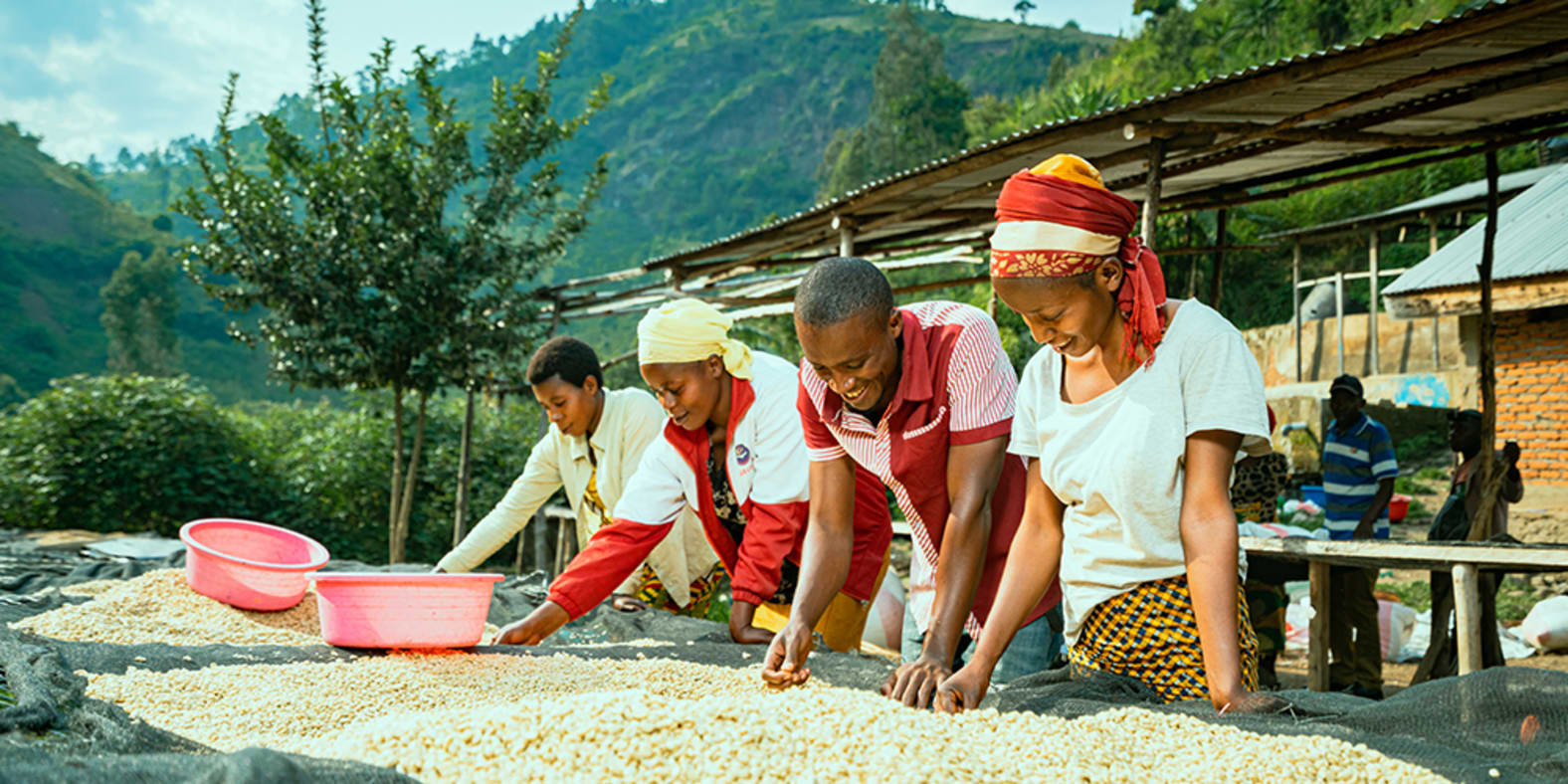
Members of the Muungano cooperative in The DRC

Why does coffee origin matter for flavour?

The terroir (the unique combination of soil, altitude, and climate) acts as a coffee’s DNA. No two origins taste alike, and within a single origin, no two farms produce quite the same cup. 

At Pact, we source from origins where the landscape and the grower’s skill combine to create something genuinely worth seeking out.

Rwanda

Known as the Land of a Thousand Hills, Rwanda’s volcanic soil and high elevations produce some of the most elegant coffees in our range.

Expect a vivid, sparkling acidity, often reminiscent of red berries or crisp apples, and a clarity in the cup that reflects the meticulous washing station standards the country’s coffee industry has built its reputation on.

Honduras

Honduran beans are celebrated for their creamy, honeyed mouthfeel and layered sweetness –  stone fruit, caramel notes. 

Coffees like Los Zorzales and El Sapote showcase what the country’s lush tropical highlands are capable of in the right hands.

The DRC

Coffee from the Democratic Republic of Congo is a bit of an overlooked gem. These beans, often grown near the high-altitude shores of Lake Kivu, develop a dense, syrupy complexity. 

As winners of The Best of Congo Cooperatives have shown, DRC coffee often carries a striking profile of dark chocolate balanced by a zesty, orange-like brightness. 

DRC coffee rarely leaves the country, but when it does, you’ll taste something truly special. Look out for winners of The Best of Congo Cooperatives launching on our menu over the year.
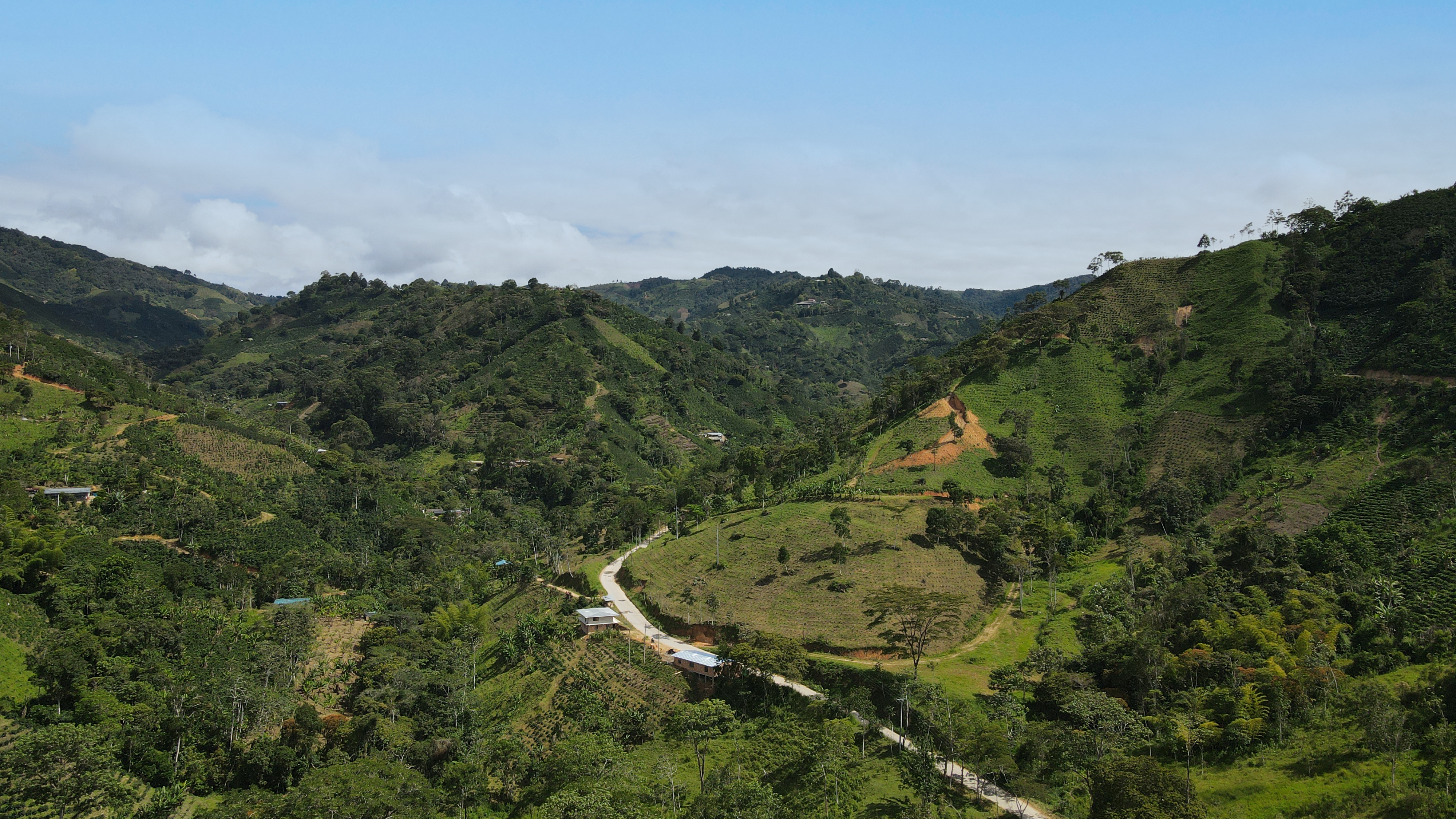
Marcus Carvalho on the Chapada farm in Brazil

As the world heats up, the future of coffee production in these countries is under serious threat. Studies show that Arabica cultivation could be halved by 2050 – a threat to the livelihoods of millions of growers and to the diversity of coffee that drinkers around the world have come to love.

This is one of the reasons direct trade matters beyond the price it pays. Long-term relationships with growers allow them to think about the future of a farm, not just the next harvest. 

For example, when you choose a bag of Sitio de Jaja, you’re supporting the Basilio family’s commitment to reforesting their land and protecting the microclimate that makes their coffee possible. 

That investment in the farm’s future is something they’ve chosen to make. We’re glad to be part of making it viable.

Taste the earth’s best beans, always sustainably grown, and take 25% off your first two orders here.

FAQs

Which country produces the most Arabica coffee?

Brazil produces the most Arabica coffee in the world.

Why is Brazilian coffee so popular for espresso? 

Brazilian beans typically have a mild nature with nutty, chocolatey notes and a syrupy body, making them the perfect, comforting base for a flat white or latte.

Do the countries that produce the most coffee produce the best coffee? 

Not necessarily. While Vietnam and Brazil produce the most coffee, smaller producers like Panama often produce the highest-scoring speciality beans (90+ points) due to their unique climates.