Do hot drinks actually cool you down in the summer? Do hot drinks actually cool you down in the summer? Did you know
Did you know

Do hot drinks actually cool you down in the summer?

Will Sowerby

Written by Will Sowerby / Views

Published - 17 June 2025 / Updated - 16 June 2026

Key takeaways

  • Drinking a hot beverage triggers a sensory response that increases your sweat rate. If that sweat can evaporate freely, the heat lost through evaporation can outweigh the heat gained from the drink.
  • The critical variable is humidity. In dry conditions, the cooling effect is real. In humid conditions (a muggy London afternoon, for instance) it largely isn’t.
  • The TRPV1 receptors in your mouth and throat detect heat and signal the brain to activate its cooling systems, producing a sweating response.
  • Caffeine is a mild diuretic, but the volume of water in a standard cup of coffee more than offsets it. Your morning brew isn’t going to dehydrate you.
  • In dry heat, a clean filter coffee served warm is a reasonable choice. In humid heat, cold brew is the more sensible one.

When the sun finally arrives in the UK, the instinct is predictable. Iced coffee. Cold brew from the fridge. Something with ice cubes. The idea of standing over a pour-over in the middle of a heatwave isn’t particularly popular.

Across North Africa, South Asia, and South America (some of the warmest inhabited regions on earth), hot drinks are a fixture of daily life regardless of the season. People who live in genuine heat drink hot tea and coffee throughout the day, and have done so for generations.

Is this simply habit? Or is there something real in it?

It turns out there’s genuine biology behind the idea – with one important catch that makes the answer more interesting than a simple yes or no.

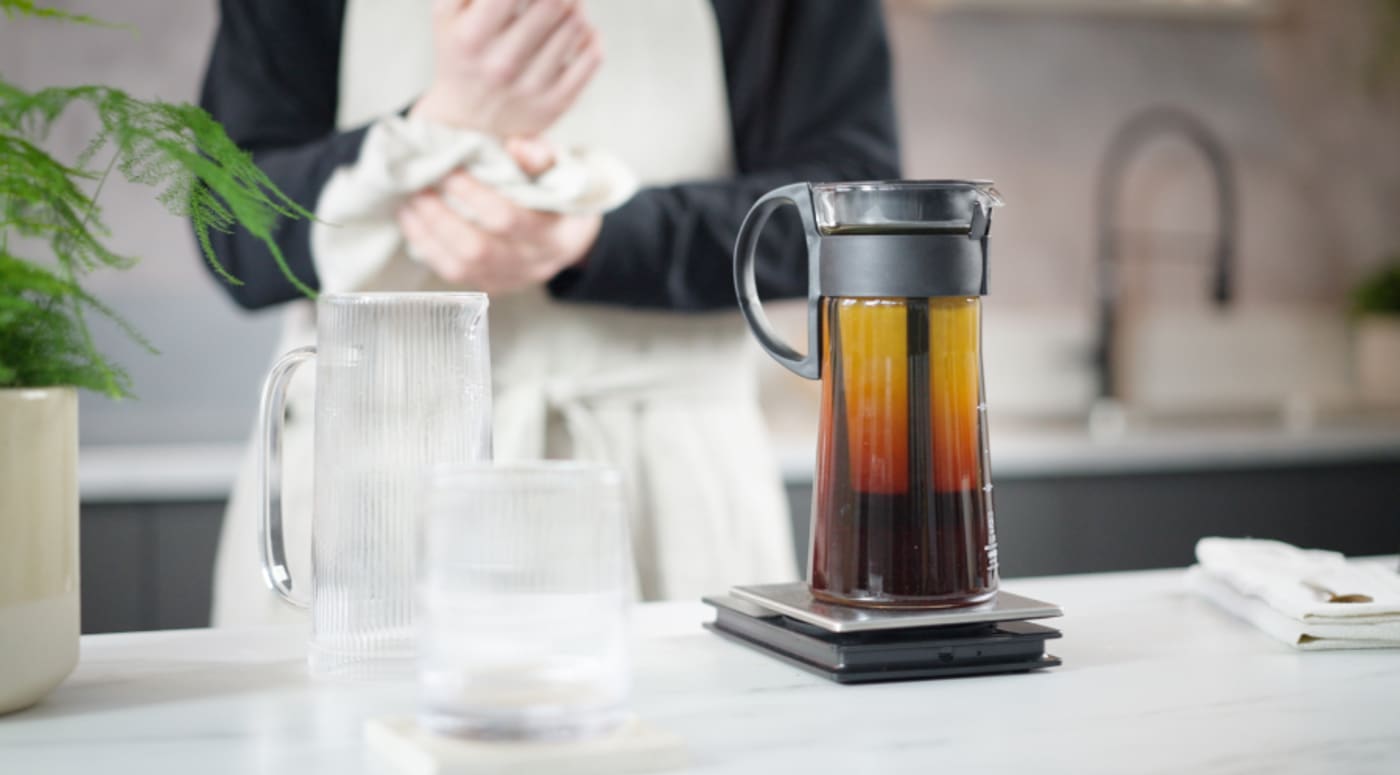
Iced coffee and cold brew

What happens to your body in the heat?

The human body maintains its core temperature within a remarkably narrow range (around 37°C), and it works hard to keep it there.

When the temperature outside rises, the brain responds by initiating two primary cooling mechanisms. The first is vasodilation: blood vessels near the skin’s surface widen, allowing heat to radiate outward. The second is sweating.

Sweat itself doesn’t cool you down simply by sitting on your skin. The cooling happens through evaporation, a thermodynamic process in which liquid water absorbs heat energy as it transforms into vapour, carrying that heat away from the skin surface and into the surrounding air.

The more sweat that evaporates, the more heat is removed. It’s an elegantly simple system, and in the right conditions, an extraordinarily effective one.

Do hot drinks cool you down in summer?

The short answer is: sometimes, and it depends entirely on the weather.

When you drink something warm, the liquid makes contact with specialised nerve receptors in your mouth, tongue, and upper digestive tract, known as TRPV1 receptors, the same sensors that tell your brain when something is spicy. 

When these receptors detect heat, they send a signal to the brain: the temperature is rising, activate the cooling response.

What’s interesting is that the brain’s reaction is disproportionate to the actual warmth of the liquid. It triggers a significant increase in sweat production, particularly around the face, neck, and torso, in response to a relatively small amount of heat input.

If that sweat evaporates efficiently, the heat removed through evaporation is greater than the heat introduced by the drink. The result is a net reduction in core body temperature. The hot drink has cooled you down.

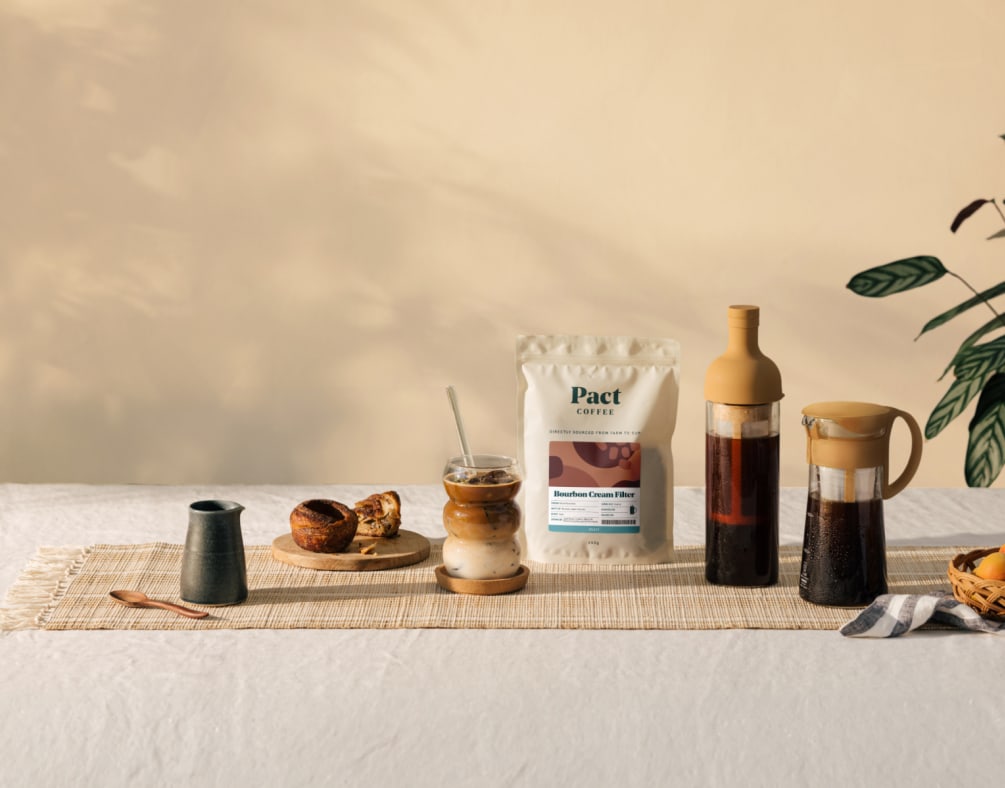
Iced coffee made with Bourbon Cream Decaf pods - available in Waitrose and Ocado

Do hot drinks cool you down in the summer? The catch.

The science is sound – but it only holds under one critical condition: the sweat has to be able to evaporate.

In dry, arid climates, this happens almost immediately. The air has plenty of capacity to absorb moisture, sweat evaporates as quickly as it forms, and the cooling effect is real and efficient. 

This is why the habit of drinking hot beverages in warm weather is most deeply embedded in dry climates.

British summers are a different matter. Humidity (the amount of moisture already present in the air) is frequently high enough to slow or prevent evaporation. When the air is already saturated, sweat can’t evaporate freely. It stays on the skin, dampens your clothes, and does very little to cool you down. 

In these conditions, drinking a hot coffee introduces thermal energy into your body without the compensating mechanism that would remove it.

So the practical answer to whether hot drinks cool you down in summer in the UK is: on a dry, breezy day, possibly. 

On a muggy afternoon in London, probably not. In genuinely humid conditions, an iced coffee or cold brew is the more sensible choice – and it’s a more enjoyable one.

Coffee and hydration in the heat: the diuretic question.

A common concern about drinking coffee in warm weather is dehydration. Caffeine is a mild diuretic – it prompts the body to flush fluid slightly faster than it otherwise would – and the worry is that this compounds the fluid loss of a hot day.

But the evidence is reassuring. The volume of water in a standard cup of coffee is more than sufficient to offset the mild diuretic effect of its caffeine content. 

Studies in sports science have consistently found that moderate coffee consumption contributes to daily fluid intake rather than working against it.

This doesn’t mean coffee replaces water on a very hot day – plain water should remain your primary source of hydration in extreme heat. But your morning brew isn’t something to worry about on those grounds.

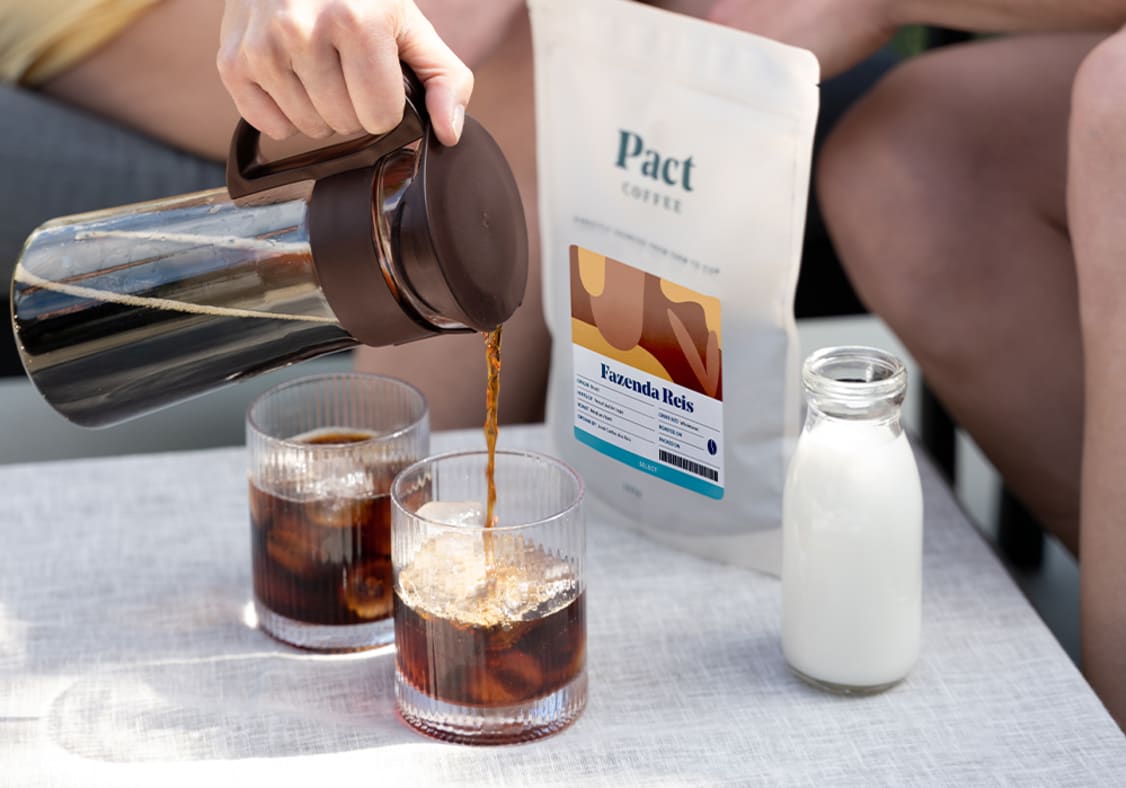
Cold brewed Fazenda Reis

What to drink and when.

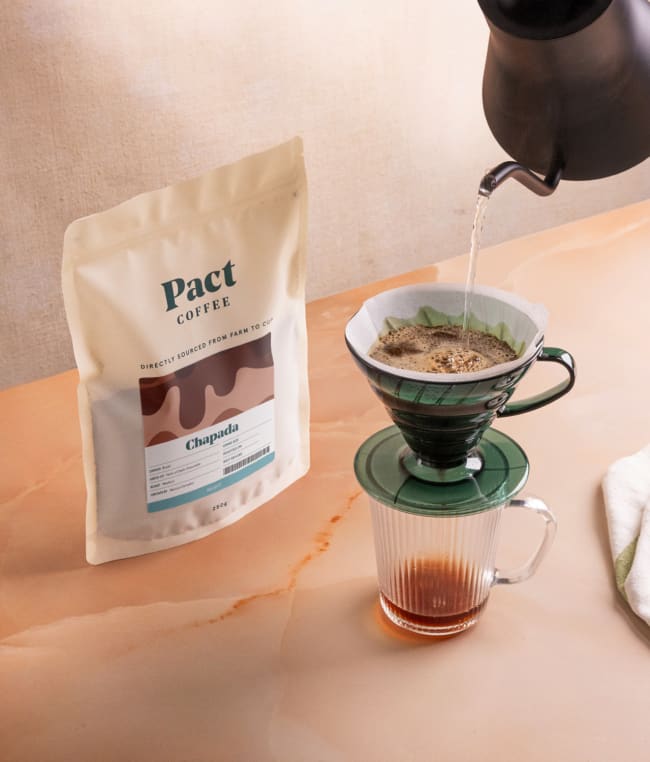
On a dry, warm day with low humidity and a breeze, a clean filter coffee served warm is a great choice.

The evaporative cooling mechanism can do its work, and a light-bodied, bright single-origin filter – something from DRC or Rwanda, where the high altitude produces a naturally refreshing acidity – sits particularly well in warm weather.

On a humid day, when the air is thick and evaporation is sluggish, cold brew is the better option. It’s naturally lower in acidity, smooth, and deeply refreshing when served over ice.

It’s also straightforward to make in advance and keep in the fridge – which is exactly where you want it when the temperature rises unexpectedly.

The coffee worth brewing either way.

Pact’s Colombia Single Origin is now available in Waitrose stores nationwide and on waitrose.com. It’s grown by the Mirtayu Women’s Group – three skilled producers based in the hills of Huila, one of Colombia’s most respected speciality regions.

It has a smooth milk chocolate flavours alongside a clean, bright note of orange – a profile that works beautifully as a warm filter coffee on a dry morning, and equally well steeped overnight and poured over ice when the weather calls for something cooler.

FAQs

Do hot drinks cool you down in summer?

Yes, under the right conditions. Drinking a warm beverage triggers the TRPV1 receptors in your mouth and throat, which signal the brain to increase sweat production. 

If that sweat evaporates freely, as it does in dry, low-humidity conditions, the heat removed through evaporation outweighs the heat introduced by the drink, resulting in a net reduction in core body temperature. In humid conditions, where sweat can’t evaporate efficiently, the effect doesn’t work and a cold drink is the better choice.

Do hot drinks cool you down in the summer in the UK?

Sometimes. On a dry, breezy day, the evaporative cooling mechanism can function effectively and a hot drink may genuinely help. 

On a humid day (which describes much of a typical British summer!) the sweat produced in response to the warm drink can’t evaporate into already-saturated air, meaning the cooling effect is lost. 

In those conditions, cold brew or iced coffee is the more practical option.

Does drinking cold water make you hotter?

Not exactly, but it can slow your body’s cooling response. Very cold water temporarily lowers your core temperature, which the brain may interpret as a signal to reduce sweat production, potentially reducing the efficiency of your natural cooling system. 

The immediate relief is real, but the long-term effect on temperature regulation may be less helpful than it feels.

How hot does a drink need to be to trigger the cooling effect?

The liquid doesn’t need to be very hot. Any beverage served at around 50°C to 60°C (the temperature of a standard coffee or freshly brewed tea) is warm enough to activate the TRPV1 receptors and signal the brain to increase sweating, without any risk of discomfort.

Does coffee dehydrate you in hot weather?

Caffeine is a mild diuretic, but the volume of water in a standard cup of coffee more than compensates for this effect. Moderate coffee consumption contributes to your daily fluid intake rather than working against it. 

On very hot days, water should remain your primary source of hydration, but your morning coffee isn’t going to dehydrate you.

What is the best coffee to drink in hot weather?

In dry conditions, a light or medium roast filter coffee served warm works well – the clean, bright acidity of a high-altitude single origin is particularly refreshing. 

In humid conditions, cold brew is the better option: naturally low in acidity, smooth, and easy to make in advance. 

Our Colombia Single Origin works well as both – brewed as a filter for a warm morning cup, or steeped overnight for a cold brew that’s ready when you need it.

Do hot drinks actually cool you down in the summer?

Will Sowerby

Written by Will Sowerby

Views

Published - 17 June 2025

Updated - 16 June 2026

Key takeaways

  • Drinking a hot beverage triggers a sensory response that increases your sweat rate. If that sweat can evaporate freely, the heat lost through evaporation can outweigh the heat gained from the drink.
  • The critical variable is humidity. In dry conditions, the cooling effect is real. In humid conditions (a muggy London afternoon, for instance) it largely isn’t.
  • The TRPV1 receptors in your mouth and throat detect heat and signal the brain to activate its cooling systems, producing a sweating response.
  • Caffeine is a mild diuretic, but the volume of water in a standard cup of coffee more than offsets it. Your morning brew isn’t going to dehydrate you.
  • In dry heat, a clean filter coffee served warm is a reasonable choice. In humid heat, cold brew is the more sensible one.

When the sun finally arrives in the UK, the instinct is predictable. Iced coffee. Cold brew from the fridge. Something with ice cubes. The idea of standing over a pour-over in the middle of a heatwave isn’t particularly popular.

Across North Africa, South Asia, and South America (some of the warmest inhabited regions on earth), hot drinks are a fixture of daily life regardless of the season. People who live in genuine heat drink hot tea and coffee throughout the day, and have done so for generations.

Is this simply habit? Or is there something real in it?

It turns out there’s genuine biology behind the idea – with one important catch that makes the answer more interesting than a simple yes or no.

Iced coffee and cold brew

What happens to your body in the heat?

The human body maintains its core temperature within a remarkably narrow range (around 37°C), and it works hard to keep it there.

When the temperature outside rises, the brain responds by initiating two primary cooling mechanisms. The first is vasodilation: blood vessels near the skin’s surface widen, allowing heat to radiate outward. The second is sweating.

Sweat itself doesn’t cool you down simply by sitting on your skin. The cooling happens through evaporation, a thermodynamic process in which liquid water absorbs heat energy as it transforms into vapour, carrying that heat away from the skin surface and into the surrounding air.

The more sweat that evaporates, the more heat is removed. It’s an elegantly simple system, and in the right conditions, an extraordinarily effective one.

Do hot drinks cool you down in summer?

The short answer is: sometimes, and it depends entirely on the weather.

When you drink something warm, the liquid makes contact with specialised nerve receptors in your mouth, tongue, and upper digestive tract, known as TRPV1 receptors, the same sensors that tell your brain when something is spicy. 

When these receptors detect heat, they send a signal to the brain: the temperature is rising, activate the cooling response.

What’s interesting is that the brain’s reaction is disproportionate to the actual warmth of the liquid. It triggers a significant increase in sweat production, particularly around the face, neck, and torso, in response to a relatively small amount of heat input.

If that sweat evaporates efficiently, the heat removed through evaporation is greater than the heat introduced by the drink. The result is a net reduction in core body temperature. The hot drink has cooled you down.

Iced coffee made with Bourbon Cream Decaf pods - available in Waitrose and Ocado

Do hot drinks cool you down in the summer? The catch.

The science is sound – but it only holds under one critical condition: the sweat has to be able to evaporate.

In dry, arid climates, this happens almost immediately. The air has plenty of capacity to absorb moisture, sweat evaporates as quickly as it forms, and the cooling effect is real and efficient. 

This is why the habit of drinking hot beverages in warm weather is most deeply embedded in dry climates.

British summers are a different matter. Humidity (the amount of moisture already present in the air) is frequently high enough to slow or prevent evaporation. When the air is already saturated, sweat can’t evaporate freely. It stays on the skin, dampens your clothes, and does very little to cool you down. 

In these conditions, drinking a hot coffee introduces thermal energy into your body without the compensating mechanism that would remove it.

So the practical answer to whether hot drinks cool you down in summer in the UK is: on a dry, breezy day, possibly. 

On a muggy afternoon in London, probably not. In genuinely humid conditions, an iced coffee or cold brew is the more sensible choice – and it’s a more enjoyable one.

Coffee and hydration in the heat: the diuretic question.

A common concern about drinking coffee in warm weather is dehydration. Caffeine is a mild diuretic – it prompts the body to flush fluid slightly faster than it otherwise would – and the worry is that this compounds the fluid loss of a hot day.

But the evidence is reassuring. The volume of water in a standard cup of coffee is more than sufficient to offset the mild diuretic effect of its caffeine content. 

Studies in sports science have consistently found that moderate coffee consumption contributes to daily fluid intake rather than working against it.

This doesn’t mean coffee replaces water on a very hot day – plain water should remain your primary source of hydration in extreme heat. But your morning brew isn’t something to worry about on those grounds.

Cold brewed Fazenda Reis

What to drink and when.

On a dry, warm day with low humidity and a breeze, a clean filter coffee served warm is a great choice.

The evaporative cooling mechanism can do its work, and a light-bodied, bright single-origin filter – something from DRC or Rwanda, where the high altitude produces a naturally refreshing acidity – sits particularly well in warm weather.

On a humid day, when the air is thick and evaporation is sluggish, cold brew is the better option. It’s naturally lower in acidity, smooth, and deeply refreshing when served over ice.

It’s also straightforward to make in advance and keep in the fridge – which is exactly where you want it when the temperature rises unexpectedly.

The coffee worth brewing either way.

Pact’s Colombia Single Origin is now available in Waitrose stores nationwide and on waitrose.com. It’s grown by the Mirtayu Women’s Group – three skilled producers based in the hills of Huila, one of Colombia’s most respected speciality regions.

It has a smooth milk chocolate flavours alongside a clean, bright note of orange – a profile that works beautifully as a warm filter coffee on a dry morning, and equally well steeped overnight and poured over ice when the weather calls for something cooler.

FAQs

Do hot drinks cool you down in summer?

Yes, under the right conditions. Drinking a warm beverage triggers the TRPV1 receptors in your mouth and throat, which signal the brain to increase sweat production. 

If that sweat evaporates freely, as it does in dry, low-humidity conditions, the heat removed through evaporation outweighs the heat introduced by the drink, resulting in a net reduction in core body temperature. In humid conditions, where sweat can’t evaporate efficiently, the effect doesn’t work and a cold drink is the better choice.

Do hot drinks cool you down in the summer in the UK?

Sometimes. On a dry, breezy day, the evaporative cooling mechanism can function effectively and a hot drink may genuinely help. 

On a humid day (which describes much of a typical British summer!) the sweat produced in response to the warm drink can’t evaporate into already-saturated air, meaning the cooling effect is lost. 

In those conditions, cold brew or iced coffee is the more practical option.

Does drinking cold water make you hotter?

Not exactly, but it can slow your body’s cooling response. Very cold water temporarily lowers your core temperature, which the brain may interpret as a signal to reduce sweat production, potentially reducing the efficiency of your natural cooling system. 

The immediate relief is real, but the long-term effect on temperature regulation may be less helpful than it feels.

How hot does a drink need to be to trigger the cooling effect?

The liquid doesn’t need to be very hot. Any beverage served at around 50°C to 60°C (the temperature of a standard coffee or freshly brewed tea) is warm enough to activate the TRPV1 receptors and signal the brain to increase sweating, without any risk of discomfort.

Does coffee dehydrate you in hot weather?

Caffeine is a mild diuretic, but the volume of water in a standard cup of coffee more than compensates for this effect. Moderate coffee consumption contributes to your daily fluid intake rather than working against it. 

On very hot days, water should remain your primary source of hydration, but your morning coffee isn’t going to dehydrate you.

What is the best coffee to drink in hot weather?

In dry conditions, a light or medium roast filter coffee served warm works well – the clean, bright acidity of a high-altitude single origin is particularly refreshing. 

In humid conditions, cold brew is the better option: naturally low in acidity, smooth, and easy to make in advance. 

Our Colombia Single Origin works well as both – brewed as a filter for a warm morning cup, or steeped overnight for a cold brew that’s ready when you need it.