What is micro-lot coffee? Inside the world's most extraordinary brews What is micro-lot coffee? Inside the world's most extraordinary brews Did you know
Did you know

What is micro-lot coffee? Inside the world's most extraordinary brews

Will Sowerby

Written by Will Sowerby / Views

Published - 23 June 2026

Key takeaways

  • A micro-lot is a hyper-specific, small-scale harvest kept entirely separate from the rest of a farm or region’s yield, due to its exceptional quality.
  • On the international cupping table, regular speciality coffee must score 80 points or higher. Micro-lots routinely smash through this ceiling, scoring an extraordinary 86 points or more.
  • When you drink a micro-lot, you’re tasting a specific hillside plot, a precise harvest day, or an elite hand-sorted selection.
  • Because of the immense skill required to produce them, micro-lots command significantly higher prices, funnelling vital financial equity directly back to the people that produce them.

If you’ve ever spent a few minutes browsing the shelves of a speciality roastery, or exploring the digital aisles of a website, you’ve likely come across the term ‘micro-lot’. 

It sounds undeniably premium, evoking images of exclusive, limited-edition releases and secret agricultural handshakes.

But what does it actually mean? Is it just a clever marketing buzzword designed to make a bag of beans look fancy, or does it represent something truly game-changing for your morning cup?

At Pact, it’s the highlight of the day when a truly extraordinary coffee hits our cupping table. And more often than not, those vibrant, jaw-dropping flavour experiences come straight from a micro-lot.

Far from being an exclusive club reserved for elite baristas with specialised tasting vocabularies, micro-lot coffee is the pinnacle of what happens when a passionate person processing coffee dedicates a tiny portion of their farm, crop, or group harvest to absolute perfection.

What is micro-lot coffee?

To understand the magic of a micro-lot, it helps to contrast it with how the vast majority of the world’s coffee is treated. 

Through the traditional coffee industry, where beans are bought and sold on the commodity market, coffee cherries from hundreds of different farms are grouped together, processed in giant bulk batches, and sold as a generic regional blend. It’s the coffee equivalent of a mass-produced table wine – reliable and familiar, but lacking any distinct personality.

Speciality coffee changes the game by keeping harvests traceable to individual farms or cooperatives. Micro-lot coffee takes that philosophy even further.

At its core, a micro-lot is a specific, limited-run harvest that a grower or producer deliberately isolates from the rest of their crop because its quality is so undeniably spectacular.

These are the absolute rockstars of the harvest. On the international 100-point grading scale used by certified Q Graders, a coffee must score 80 points to be deemed ‘speciality’. Micro-lots routinely score an extraordinary 86 points or more. 

When a crop hits that 86+ threshold, the flavours become wildly expressive – singing with distinct notes, like crisp green apple, elegant jasmine, or deep, melting praline.

Because they’re kept separate from start to finish, a micro-lot offers unbroken traceability. When you brew a cup, you’re tasting the jewel in the crown of the farm or washing station.

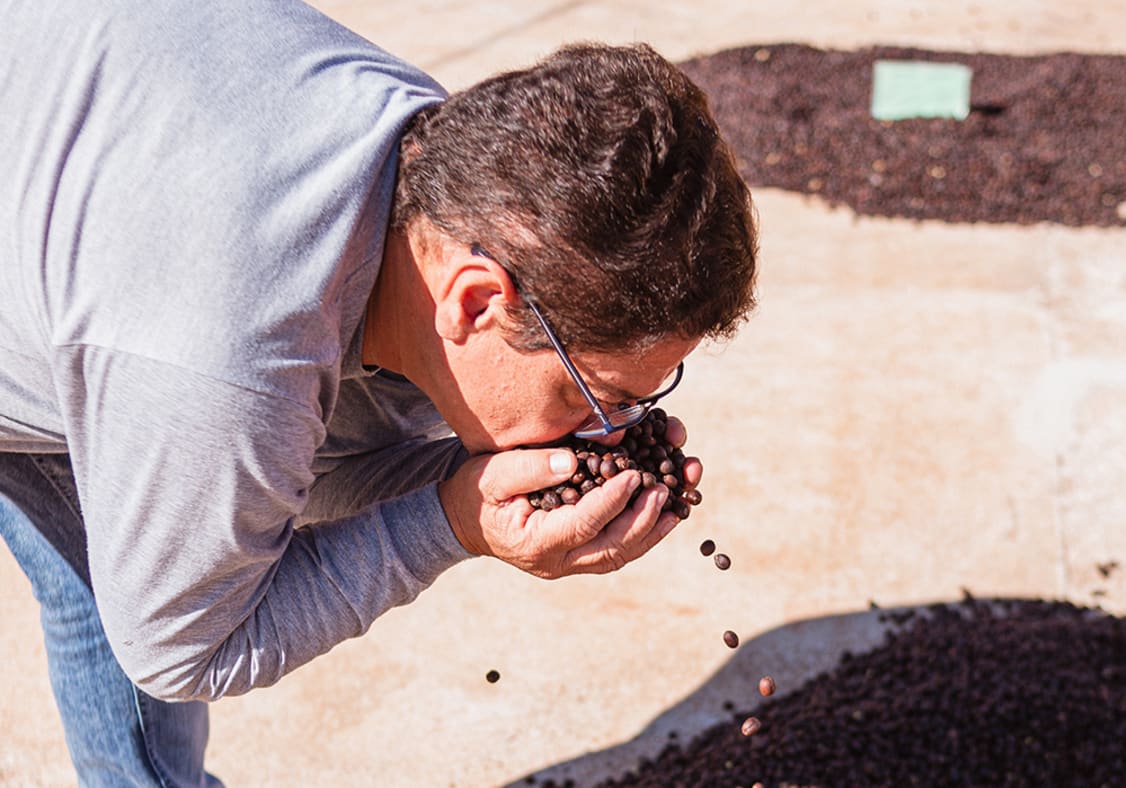
Marcus Carvalho, a micro-lot expert, in Brazil.

How the grower creates a masterpiece

Often, it comes down to geography and meticulous attention to a specific patch of land – many micro-lots are grown on tiny plots within a larger estate. 

Coffee is an incredibly sensitive plant that reacts dynamically to its microclimate. A single hillside that catches the perfect amount of morning mist, sits at a slightly higher altitude, or boasts uniquely nutrient-rich volcanic soil can yield cherries that are vastly superior to a plot growing just 50 metres away.

The best growers recognise these golden zones. Instead of mixing these exceptional cherries in with the main harvest, they treat the plot like an experimental laboratory. They might give these specific trees bespoke fertilisers, prune them with meticulous care, and wait to pick the cherries until they hit the precise peak of sugar density.

Once picked, these cherries are processed entirely on their own – often undergoing complex, highly monitored fermentation techniques to maximise their natural sweetness.

The resulting yield might only fill three or four sacks in an entire year, making them incredibly rare, highly sought-after gems.

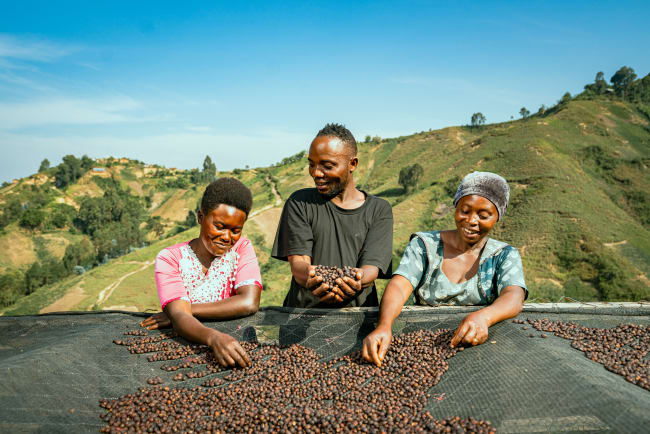
African washing stations: best of the harvest

While many micro-lots are tied to a specific spot on a single estate, the term also covers extraordinary coffees made in different ways.

In many iconic African coffee-producing nations – such as Kenya, Ethiopia, and Rwanda – the agricultural landscape is dominated by smallholders. These are independent family growers who might only tend a few dozen coffee trees. 

Because their farms are too small to house expensive processing machinery, they deliver their freshly picked cherries to a centralised local washing station on a daily basis.

A dedicated team then meticulously sorts these premium cherries by hand, separating them from the standard lots. 

As hundreds of growers deliver their crops, the washing station managers look out for the absolute gold-standard deliveries and isolate the cherries. This ultra-selective process creates a hyper-focused batch that showcases the pinnacle of the region’s flavour profile. 

It’s a collaborative triumph of local agricultural skill, resulting in the beautifully bright, floral, and intensely juicy flavours that African speciality coffees are rightfully world-renowned for.

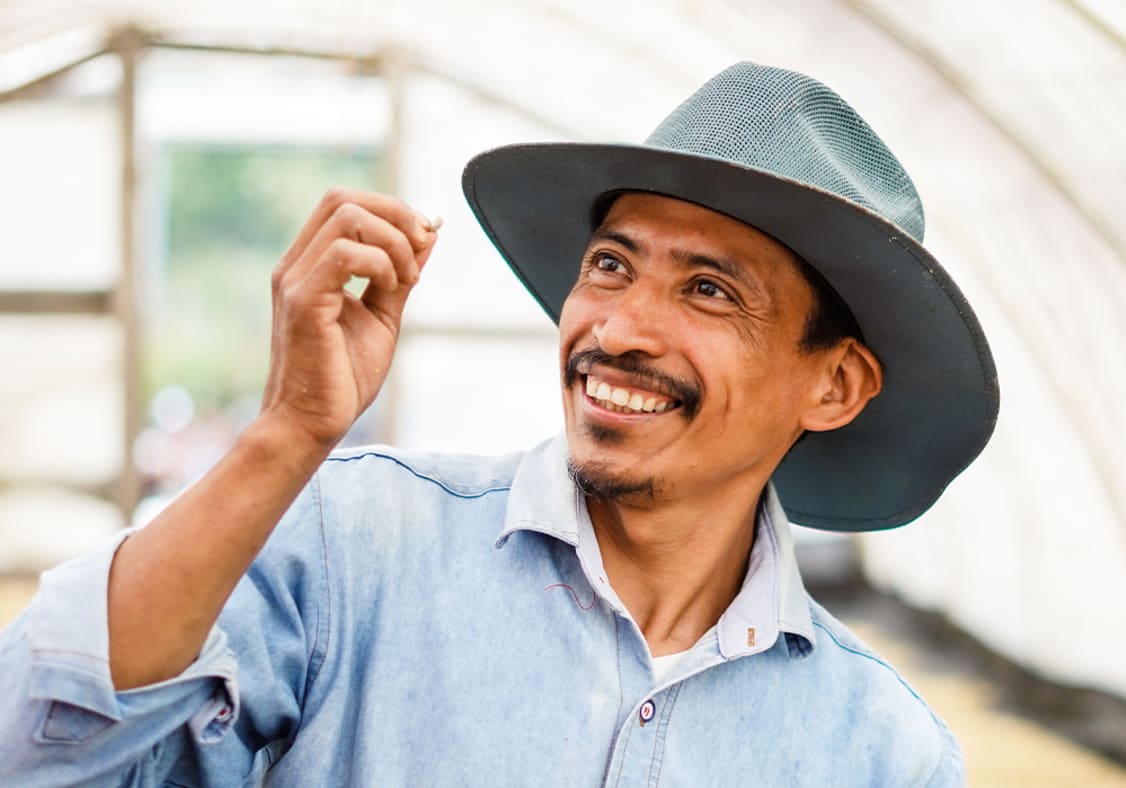
Catalino Vasquez, grower of phenomenal micro-lot coffees on the Integral Cipres farm in Honduras.

What micro-lots mean for growers

Producing an 86+ point coffee requires an immense amount of skill, knowledge, and a meticulous attention to detail. If a grower was forced to sell that extraordinary crop into the traditional commodity market, they’d receive the exact same price as someone who’s sold flat, stale beans.

But when the crop is judged on quality, rather than quantity, the grower raises a deserved premium. At Pact, we form long-term, personal partnerships with growers to cut out the commodity market’s traditional middle men – it gives us the transparency to see the quality of the bean while knowing the payment goes straight into the bank account of the person behind it. 

This financial equity is a powerful catalyst for community growth. It gives growers the capital they need to invest in premium infrastructure, purchase advanced processing equipment, weather the challenges of climate change, and bring more local workers into their businesses.

When you purchase a micro-lot, you’re not participating in a charity scheme – you’re actively investing in a premium, sustainable partnership that rewards exceptional craftsmanship with true economic equity.

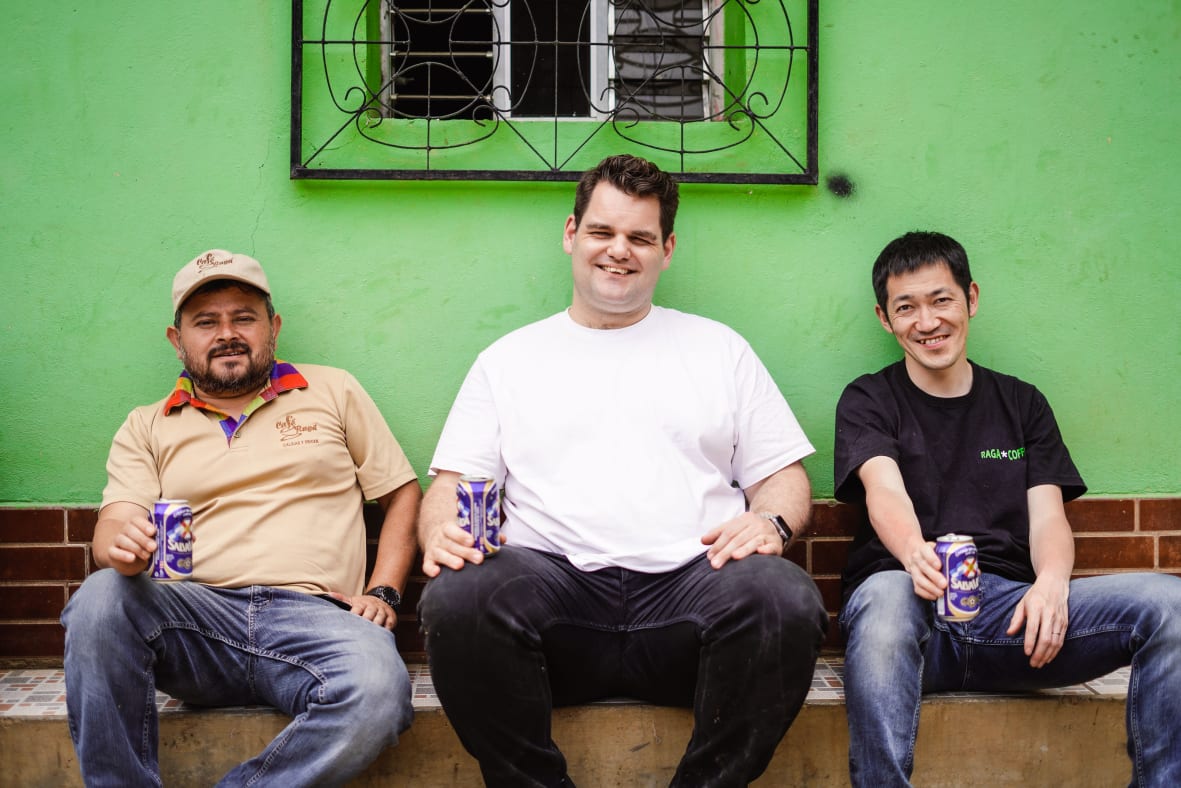
Rony Gámez, Central America's leading coffee expert.

“The special preparation of this micro-lot the process was: in the harvest season we collected only the healthy and fully ripe cherries. This was followed by a quick flotation (a maximum of 15 minutes) in water to separate bad cherries and impurities. 

The cherries were then pulped without water, and the coffee was moved to drying beds for a slow drying process over 25 days. We have worked with this Geisha lot with honey processing because we found a better cup profile and sweetness that enhances its notes.”

Rony Gámez, grower on the Kukurucho micro-lot farm.

FAQs

Are micro-lot coffees harder to brew at home?

Not at all. While they’re incredibly high quality, they don’t require any special barista training to enjoy. 

Because micro-lots are packed with delicate, complex fruit sugars and pristine flavour clarity, they shine when brewed using filter methods like a V60 or an AeroPress. Just use a quality burr grinder and clean, filtered water, and those extraordinary 86+ point tasting notes will really pop.

Why are micro-lots more expensive than regular coffee?

It comes down to simple maths: scarcity and quality. A micro-lot represents a tiny fraction of a farm’s total annual output – sometimes just a few bags exist in the entire world. Factor in the intensive hand-sorting, specialised processing, small-batch roasting, and the premium paid directly to the grower, and the price reflects a genuinely artisanal product.

How often do Pact micro-lots change?

Constantly – and that’s half the fun. Because micro-lots are tied to a specific week or a tiny plot of land, once a roaster runs out of that particular lot, it’s gone at least until the next harvest. 

Drinking micro-lots lets you follow the natural variety of the harvest, moving from the bright, juicy profiles of Africa to the deep, velvety structures of Central and South American crops as the seasons change.

Start a Pact micro-lot subscription and claim 25% off your first two orders.

What is micro-lot coffee? Inside the world's most extraordinary brews

Will Sowerby

Written by Will Sowerby

Views

Published - 23 June 2026

Key takeaways

  • A micro-lot is a hyper-specific, small-scale harvest kept entirely separate from the rest of a farm or region’s yield, due to its exceptional quality.
  • On the international cupping table, regular speciality coffee must score 80 points or higher. Micro-lots routinely smash through this ceiling, scoring an extraordinary 86 points or more.
  • When you drink a micro-lot, you’re tasting a specific hillside plot, a precise harvest day, or an elite hand-sorted selection.
  • Because of the immense skill required to produce them, micro-lots command significantly higher prices, funnelling vital financial equity directly back to the people that produce them.

If you’ve ever spent a few minutes browsing the shelves of a speciality roastery, or exploring the digital aisles of a website, you’ve likely come across the term ‘micro-lot’. 

It sounds undeniably premium, evoking images of exclusive, limited-edition releases and secret agricultural handshakes.

But what does it actually mean? Is it just a clever marketing buzzword designed to make a bag of beans look fancy, or does it represent something truly game-changing for your morning cup?

At Pact, it’s the highlight of the day when a truly extraordinary coffee hits our cupping table. And more often than not, those vibrant, jaw-dropping flavour experiences come straight from a micro-lot.

Far from being an exclusive club reserved for elite baristas with specialised tasting vocabularies, micro-lot coffee is the pinnacle of what happens when a passionate person processing coffee dedicates a tiny portion of their farm, crop, or group harvest to absolute perfection.

What is micro-lot coffee?

To understand the magic of a micro-lot, it helps to contrast it with how the vast majority of the world’s coffee is treated. 

Through the traditional coffee industry, where beans are bought and sold on the commodity market, coffee cherries from hundreds of different farms are grouped together, processed in giant bulk batches, and sold as a generic regional blend. It’s the coffee equivalent of a mass-produced table wine – reliable and familiar, but lacking any distinct personality.

Speciality coffee changes the game by keeping harvests traceable to individual farms or cooperatives. Micro-lot coffee takes that philosophy even further.

At its core, a micro-lot is a specific, limited-run harvest that a grower or producer deliberately isolates from the rest of their crop because its quality is so undeniably spectacular.

These are the absolute rockstars of the harvest. On the international 100-point grading scale used by certified Q Graders, a coffee must score 80 points to be deemed ‘speciality’. Micro-lots routinely score an extraordinary 86 points or more. 

When a crop hits that 86+ threshold, the flavours become wildly expressive – singing with distinct notes, like crisp green apple, elegant jasmine, or deep, melting praline.

Because they’re kept separate from start to finish, a micro-lot offers unbroken traceability. When you brew a cup, you’re tasting the jewel in the crown of the farm or washing station.
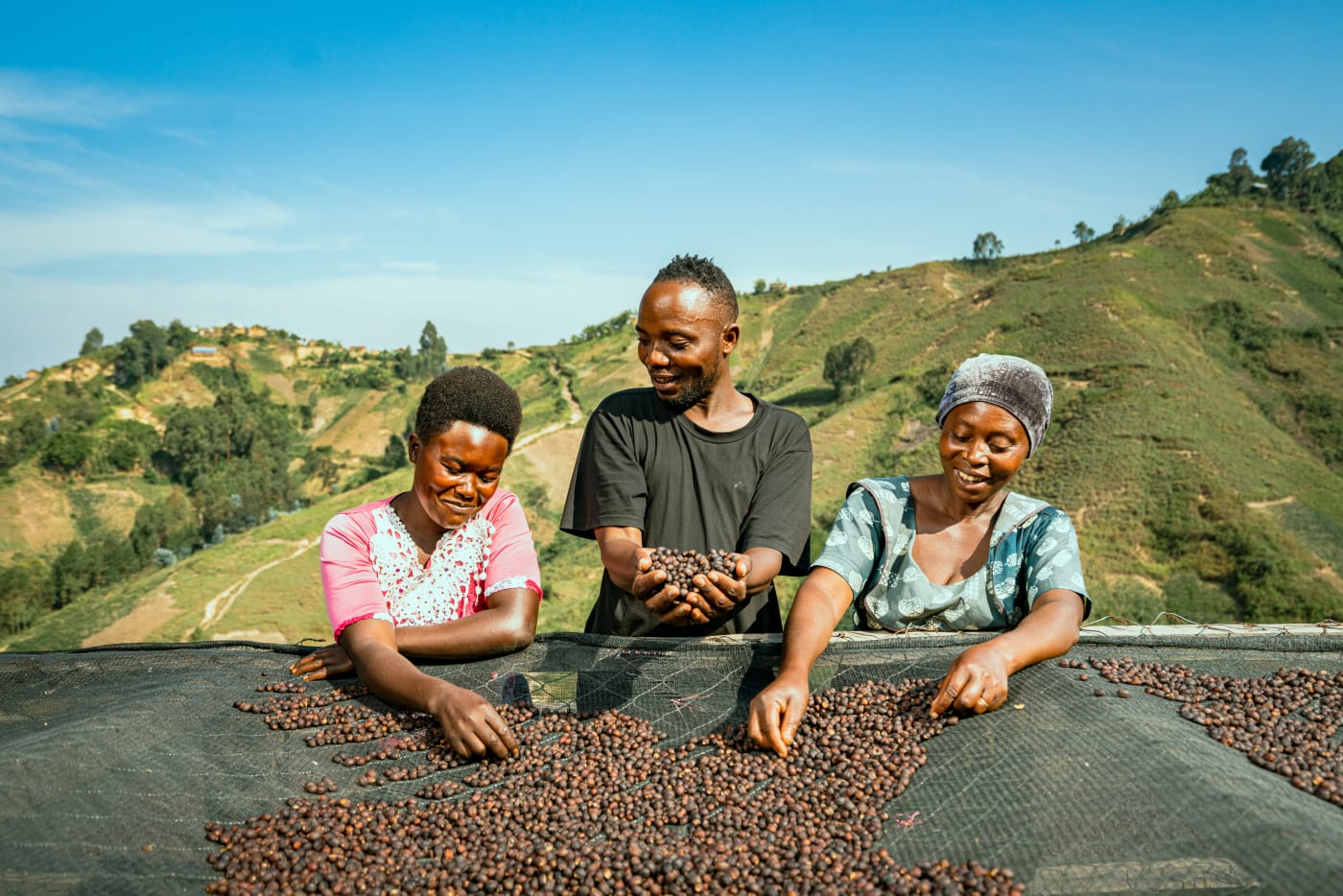
Marcus Carvalho, a micro-lot expert, in Brazil.

How the grower creates a masterpiece

Often, it comes down to geography and meticulous attention to a specific patch of land – many micro-lots are grown on tiny plots within a larger estate. 

Coffee is an incredibly sensitive plant that reacts dynamically to its microclimate. A single hillside that catches the perfect amount of morning mist, sits at a slightly higher altitude, or boasts uniquely nutrient-rich volcanic soil can yield cherries that are vastly superior to a plot growing just 50 metres away.

The best growers recognise these golden zones. Instead of mixing these exceptional cherries in with the main harvest, they treat the plot like an experimental laboratory. They might give these specific trees bespoke fertilisers, prune them with meticulous care, and wait to pick the cherries until they hit the precise peak of sugar density.

Once picked, these cherries are processed entirely on their own – often undergoing complex, highly monitored fermentation techniques to maximise their natural sweetness.

The resulting yield might only fill three or four sacks in an entire year, making them incredibly rare, highly sought-after gems.

African washing stations: best of the harvest

While many micro-lots are tied to a specific spot on a single estate, the term also covers extraordinary coffees made in different ways.

In many iconic African coffee-producing nations – such as Kenya, Ethiopia, and Rwanda – the agricultural landscape is dominated by smallholders. These are independent family growers who might only tend a few dozen coffee trees. 

Because their farms are too small to house expensive processing machinery, they deliver their freshly picked cherries to a centralised local washing station on a daily basis.

A dedicated team then meticulously sorts these premium cherries by hand, separating them from the standard lots. 

As hundreds of growers deliver their crops, the washing station managers look out for the absolute gold-standard deliveries and isolate the cherries. This ultra-selective process creates a hyper-focused batch that showcases the pinnacle of the region’s flavour profile. 

It’s a collaborative triumph of local agricultural skill, resulting in the beautifully bright, floral, and intensely juicy flavours that African speciality coffees are rightfully world-renowned for.

Catalino Vasquez, grower of phenomenal micro-lot coffees on the Integral Cipres farm in Honduras.

What micro-lots mean for growers

Producing an 86+ point coffee requires an immense amount of skill, knowledge, and a meticulous attention to detail. If a grower was forced to sell that extraordinary crop into the traditional commodity market, they’d receive the exact same price as someone who’s sold flat, stale beans.

But when the crop is judged on quality, rather than quantity, the grower raises a deserved premium. At Pact, we form long-term, personal partnerships with growers to cut out the commodity market’s traditional middle men – it gives us the transparency to see the quality of the bean while knowing the payment goes straight into the bank account of the person behind it. 

This financial equity is a powerful catalyst for community growth. It gives growers the capital they need to invest in premium infrastructure, purchase advanced processing equipment, weather the challenges of climate change, and bring more local workers into their businesses.

When you purchase a micro-lot, you’re not participating in a charity scheme – you’re actively investing in a premium, sustainable partnership that rewards exceptional craftsmanship with true economic equity.

Rony Gámez, Central America's leading coffee expert.

“The special preparation of this micro-lot the process was: in the harvest season we collected only the healthy and fully ripe cherries. This was followed by a quick flotation (a maximum of 15 minutes) in water to separate bad cherries and impurities. 

The cherries were then pulped without water, and the coffee was moved to drying beds for a slow drying process over 25 days. We have worked with this Geisha lot with honey processing because we found a better cup profile and sweetness that enhances its notes.”

Rony Gámez, grower on the Kukurucho micro-lot farm.

FAQs

Are micro-lot coffees harder to brew at home?

Not at all. While they’re incredibly high quality, they don’t require any special barista training to enjoy. 

Because micro-lots are packed with delicate, complex fruit sugars and pristine flavour clarity, they shine when brewed using filter methods like a V60 or an AeroPress. Just use a quality burr grinder and clean, filtered water, and those extraordinary 86+ point tasting notes will really pop.

Why are micro-lots more expensive than regular coffee?

It comes down to simple maths: scarcity and quality. A micro-lot represents a tiny fraction of a farm’s total annual output – sometimes just a few bags exist in the entire world. Factor in the intensive hand-sorting, specialised processing, small-batch roasting, and the premium paid directly to the grower, and the price reflects a genuinely artisanal product.

How often do Pact micro-lots change?

Constantly – and that’s half the fun. Because micro-lots are tied to a specific week or a tiny plot of land, once a roaster runs out of that particular lot, it’s gone at least until the next harvest. 

Drinking micro-lots lets you follow the natural variety of the harvest, moving from the bright, juicy profiles of Africa to the deep, velvety structures of Central and South American crops as the seasons change.

Start a Pact micro-lot subscription and claim 25% off your first two orders.