Not all coffee is created equal. Just as wine, cheese, or chocolate can vary enormously depending on how they’re produced, coffee quality is shaped by hundreds of decisions made before it reaches your kitchen.
The best Ocado coffee beans tend to share three important characteristics:
High altitude growing conditions
Coffee plants thrive in some of the world’s most mountainous growing regions.
At higher elevations – typically above 1,200 metres – cooler temperatures slow the development of the coffee cherry. The fruit matures more gradually, giving it more time to build natural sugars and organic acids.
The result is a denser coffee bean with greater flavour complexity.
Instead of generic bitterness, high-altitude coffees often reveal layers of flavours. Think ripe berries, milk chocolate, caramel, toasted nuts, citrus fruits, and delicate florals.
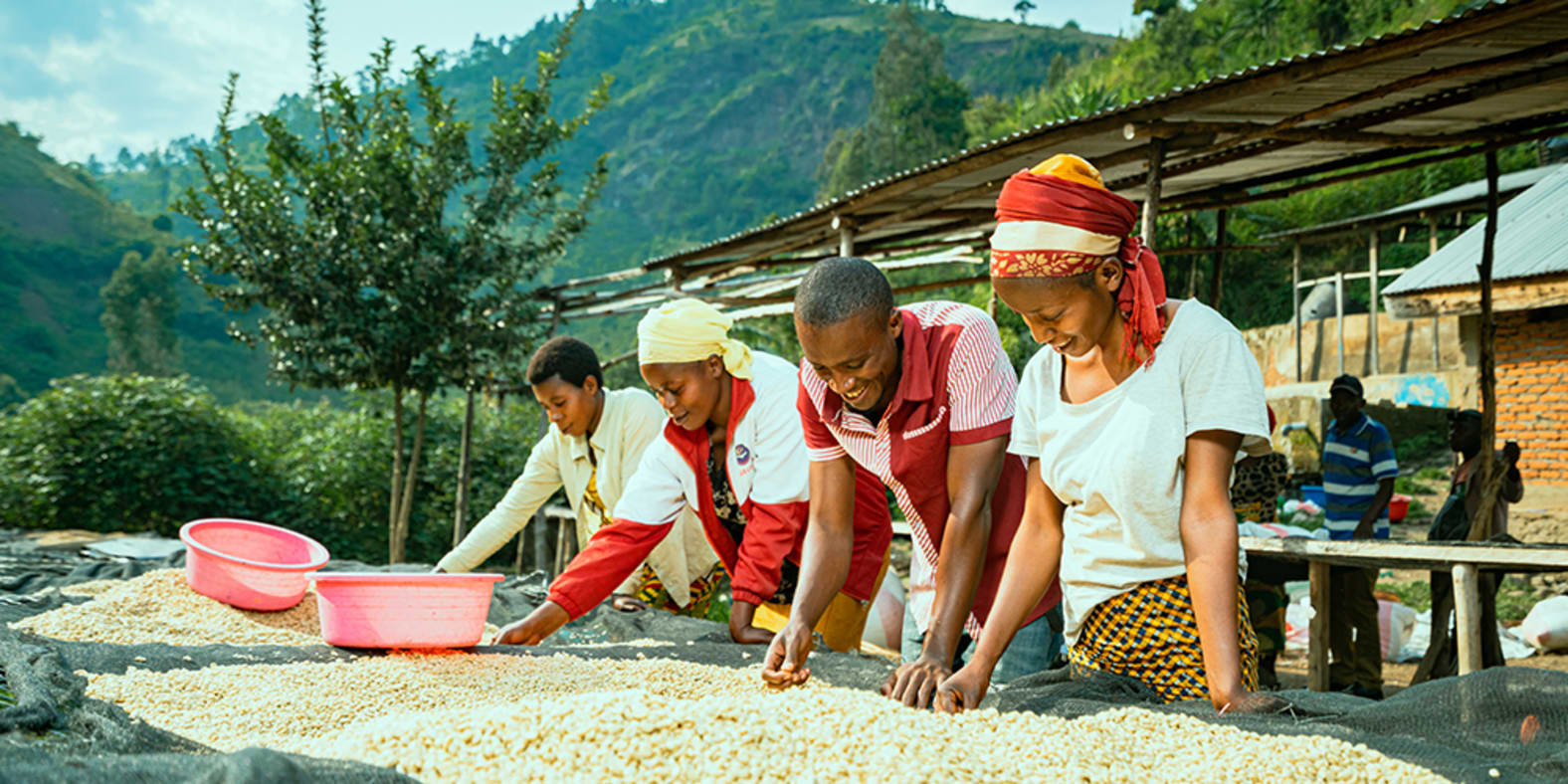
Many of the coffees selected by Pact’s sourcing team are grown at elevations far above this threshold by experienced growing partners who have an intimate understanding of how altitude, climate, and processing interact to create exceptional flavour.
You can take a deeper dive into how altitude shapes your coffee’s flavour here.
Speciality-grade coffee beans
One of the most useful signs of quality in coffee is the Speciality Coffee Association’s one-hundred-point grading system.
Professional coffee tasters assess coffees against strict criteria, including:
- Sweetness
- Acidity
- Balance
- Aroma
- Body
- Overall quality
Any coffee that scores above 80 points overall is classed as a ‘speciality’ coffee.
But not all speciality coffee is the same.
A coffee that scores 80 points sits just above the threshold – but a coffee scoring 84, 85, or 86 points has demonstrated significantly greater complexity, sweetness, and balance.
That’s why Pact only souces coffees scoring 84+ points.
It’s a higher bar that ensures every coffee has earned its place through flavours, rather than marketing.
Want to know more about what speciality coffee is? Check out our guide here.
Clear, transparent tasting notes
How else can you identify a coffee’s quality? By reading the tasting notes.
You’ll often see descriptions such as:
- Milk chocolate
- Blackcurrant
- Nectarine
- Caramel
- Bright citrus
- Toasted almonds
These aren’t added flavours, they’re naturally occurring characteristics developed through variety selection, growing conditions, processing methods, and roasting expertise.
Coffee grown in Brazil, for example, where you’ll find more chocolatey, nutty flavours, will have different tasting notes from what you can get from the Democratic Republic of the Congo, where you’ll find more vibrant, intensely fruity notes.
By contrast, many commodity coffees focus heavily on ‘strength’ ratings or intensity scales, which tell you relatively little about the flavour.
A commodity coffee can be roasted extremely dark to hide defects and mask them as ‘strong’. You’ll be hard pushed to find flavours outside of dark chocolate. Speciality coffee, however, reveals every nuanced flavour from its origin – flavours the grower intended to develop – from dark chocolate and peanut butter to blackberry, grapefruit, apricot, and jasmine.