
Key takeaways
- Dose and timings matter most: for a double espresso, use 18g of coffee, and aim for 36g of liquid, pulled in 25-30 seconds.
- When your grind size is too coarse, your espresso will taste sour (under extracted). Too fine, and it’ll taste bitter (over extracted). Small adjustments can make a big difference.
- You don’t need an expensive machine – a moka pot or AeroPress can make espresso-like coffee of great quality at home.
- Great coffee beans are vital to a great espresso. All Pact beans score at least 84 points with professional tasters – Bourbon Cream Espresso and Fruit & Nut Espresso are perfect for brewing espresso at home.
- Pact roasts to order and grinds for any brewing method, so you always enjoy the freshest espresso possible.
Making great espresso at home is entirely possible, and you don’t need a massive budget or commercial setup to do it. This guide covers everything you need to achieve it, from dialling in your coffee to choosing the right beans – plus how you can make espresso-like coffee without a machine.
What grind size should I use for home espresso?
Getting the grind size right is probably the single most important espresso tip to follow. For a home espresso machine, you want a fine grind, finer than table salt, but not powdery. Too coarse and your shot will run fast and taste sour (known as under-extraction). Too fine and it’ll choke the machine and taste bitter (known as over-extraction).
If you buy whole beans, you’ll have a much better chance of getting your espresso tasting exactly how you like it with a coffee grinder. But, if you’re buying pre-ground coffee, you can read our top tips on the best ground coffee to buy here.
When you order from Pact, you can get both whole beans and pre-ground coffee – simply tell us how you want your coffee, and we’ll roast and grind to order, so it arrives at its freshest.
How much coffee do I use for a double espresso?
For a double espresso with a home coffee machine, aim for 18g of ground coffee and 36g of liquid (a 1:2 ratio) in 25-30 seconds. This is the industry-standard recipe, and the foundation to a great double shot of espresso.
If you’re using a home espresso machine, some portafilter baskets hold different amounts of coffee, so here’s an outline of the different ranges:
1. Ristretto
- Ratio: 1:1
- Single shot: 7-9g in » 7-9g out
- Double Shot: 16-20g in » 16-20g out
- Target time: 20-25 seconds
- Flavour profile: Intensely concentrated, thick body, very sweet, and low acidity. Because less water passes through, you only extract the early, rich flavours.
2. Standard espresso
- Ratio: 1:2
- Single shot: 7-9g in » 14-18g out
- Double shot: 18-20g in » 36-40g out
- Target time: 25-30 seconds
- Flavour profile: This is the industry standard baseline. It offers the most traditional, balanced profile – striking the perfect middle ground between clarity, acidity, and heavy body.
3. Lungo
- Ratio: 1:3
- Single shot: 7-9g in » 21-27g out
- Double shot: 18-20g in » 54-60g out
- Target time: 25-30 seconds (sometimes stretched to 35s for light roasts)
- Flavour profile: Thinner body and more watery texture, but with high flavour clarity. Pushing more water through extracts more of the complex, bitter notes. It works exceptionally well with light-roasted speciality coffees.
Note: This is a general rule – so long as you like what you’re tasting, that’s all that matters.
Want to know more about brewing ratios? You can read our guide here.
What’s the best coffee for espresso at home?
The best coffee beans for espresso at home are speciality coffee beans with rich, chocolatey or nutty profiles – most commonly medium-dark or dark roasted. They tend to hold up better under pressure and delivery that intensity you expect from a great shot.
All Pact coffees score at least 84 points with professional tasters (Q Graders), meaning every bag meets a rigorous standard of quality before it reaches your kitchen.
For great espresso at home, try our chocolatey Bourbon Cream Espresso and rich Fruit & Nut blends – they’re two of our most popular espressos.
- Bourbon Cream Espresso: An espresso that captures the flavour of a Bourbon Cream biscuit – dark cocoa depth, silky sweetness, and a creamy finish (and a Great Taste Award to prove it!).
- Fruit & Nut Espresso: A pitch-perfect espresso blend that’s every bit as indulgent as the classic chocolate flavour.
Read all about the best coffee beans for espresso here.
Note: Keep an eye out on our full menu for rotational single-origin espresso coffees on our Select and Micro-lot lines.
How to make espresso at home: step-by-step on a home espresso machine
Follow these espresso tips to get café-quality coffees at home:
- Weigh your coffee – use 18g of freshly roasted, ground coffee for a double espresso.
- Distribute evenly – tap the portafilter gently and level the grounds before tamping.
- Tamp with consistent pressure – once you feel pushback from the ground coffee, that’s the right amount of pressure.
- Start a timer and pull your shot – aim for 36g of liquid coffee in between 25-30 seconds.
- Taste and adjust – Sour? Grind finer. Bitter? Grind coarser.
For a full walkthrough, watch our espresso brew guide video.
How to make espresso without a machine
Great coffee isn’t dependent on having the most expensive machine or brewing expertise. In fact, you can get started for as little as £29.95. There are plenty of affordable pieces of kit that make outstanding cups of the good stuff, but which one is right for you?
The moka pot
This beloved Italian favourite is designed to make coffee that’s very close to the espresso you get from a machine.
It’s heated so that steam forces hot water up through the coffee grounds. The result is a strong tasting coffee that’s as close as you’ll get to an espresso without a full set-up.
Choose a medium-fine ground coffee and follow the step-by-step instructions in our brew guide for an outstanding shot.
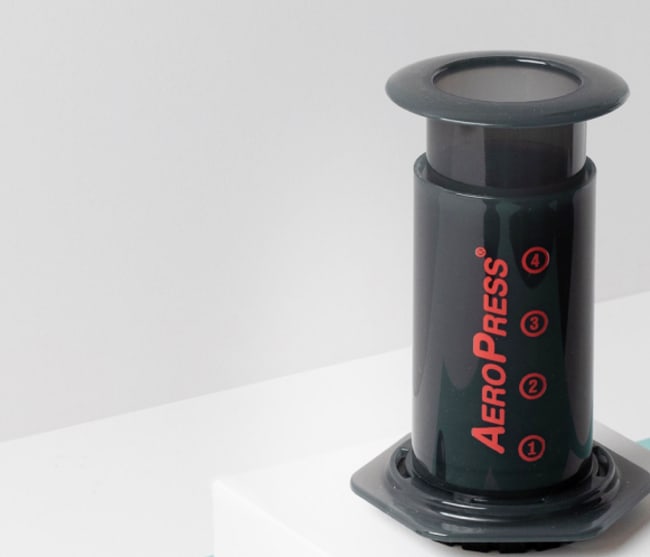
The AeroPress
It’s a very handy size for travel, and it also guarantees a superb coffee. We prefer the inverted method for the best results. Prepare with a filter, then use the handy measuring scoop and numbering system on its chamber as a guide – for espresso, it will be one scoop and the number one. Nice and simple!
The AeroPress brew guide video.
The best beans for making espresso-like coffee
Similarly to espresso, you want medium to dark roasted beans that have that rich, chocolatey characteristics.
Fazenda Reis is roasted to do just that – a creamy dark roast that can replicate the profile of a traditional espresso – full of chocolate and peanut-butter flavours.
It’s also winner of a two-star 2023 Great Taste Award!
FAQs
Why does my espresso taste sour?
Sourness in coffee is almost always a sign of under-extracted coffee – which means the water hasn’t had enough contact time with the ground coffee to draw out its sweeter, more complex characteristics. The most common cause is that the grind is too coarse. Try grinding slightly finer to see if the balance improves.
It’s also worth checking your dose – packing too little coffee into the portafilter can quicken the shot.
Why does my espresso taste bitter?
Bitterness in coffee is almost always a sign of over-extraction – which means the water has spent too long in contact with the ground coffee and pulled out harsh, unpleasant notes. The most common cause is that the grind is too fine. Try grinding coarser and see if the balance improves.
It’s also worth checking your dose – packing too much coffee into the portafilter can slow the shot.
Can I make an espresso without an expensive machine?
Absolutely. A good moka pot costs under £30 and produces a genuinely excellent strong coffee that’s just like an espresso. The AeroPress is another great alternative that can use to produce espresso-like coffee.
What’s the difference between and espresso and strong coffee?
True espresso is brewed under nine bars of pressure. ‘Strong’ coffee brewed in a moka pot or AeroPress lacks the pressure of an espresso, which creates the crema, but can match or exceed an espressos intensity.